
Ayurveda for a healthy life- 52/2025 on 16.05.2025
3F. Vitamin D :
Several chemical steroid compounds have Vitamin D activity, the most important being cholecalciferol, i.e. Vitamin D2. In the liver, cholecalciferol is converted into 25 hydroxycholecalciferol, i.e. Vitamin D3. In the next step, 25(OH)D3 is converted into 1, 25(OH)2D3 in the liver, which is the metabolically active form of Vitamin D. This step is controlled by parathormone, the hormone secreted by the parathyroid glands.
1. What are the sources of Vitamin D ?
| Food item (100 gm) |
Vitamin ‘D’ I.U. |
|
| 1. | Liver | 50 |
| 2. | Milk powder | 50 |
| 3. | Cod liver oil | 10,000 |
| 4. | Raw salmon | 297 |
| 5. | Two large eggs | 100 |
| 6. | Fish | 100 |
| 7. | Halibut liver oil | 1,20,000 |
| 8. | Shark liver oil | 15,000 |
| 9. | Butter | 40 |
| 10. | Cheese | 33 |
Vitamin D is also formed in the skin by the action of sunlight. Ultraviolet rays of sunlight convert 7-dehydrocholesterol, a compound which is normally present in the skin into Vitamin D3. Excess of Vitamin D is stored in the liver. It is more active in the kidney than the liver as it undergoes a change in structure there.
2. What are the functions of Vitamin D ? : It is important for –
A. Absorption of calcium and phosphorous from the intestine.
B. Maintenance of normal level of blood calcium.
C. Deposition of calcium on the bones and teeth.
3. Symptoms of deficiency :
Vitamin D deficiency gives rise to a disease called rickets. In rickets, the bones become soft due to calcium deficiency. The soft bones bend and give rise to various deformities such as box-like appearance of the head, deformity of the chest and spine, bending of the limbs, flat feet and poor muscle tone due to which the abdomen looks distended. Severe deficiency of Vitamin D results in low levels of calcium in the blood and can give rise to convulsions, which are called tetany. Such children also suffer from late teething, delayed closure of the fontanelle, i.e. the soft spot on the head, a large belly and constipation.
4. Treatment :
One dose of 1500 to 5000 I.U. of Vitamin D should be administered orally.
5. What are the side-effects due to excess of Vitamin D ? :
Excessive administration of Vitamin D causes increase in calcium levels of blood and leads to loss of appetite, constipation, nausea, vomiting, increased frequency of urination, excessive thirst and dislike for milk. If one notices the side-effects of an excessive dosage of Vitamin D, one should consult a doctor and restrict the tonics and food items containing Vitamin D.
3G. Vitamin E :
This is an antioxidant. It protects the phospholipids in the cell membranes from damage due to free radicals. As it is an antioxidant, it is used as a free radical scavenger. It prevents cancer. It may raise the concentration of high density lipoprotein cholesterol and may prove useful in preventing a heart attack. It is transported within the body by lipoproteins, minimises the destruction of Vitamin A and essential fatty acids in the intestines. It helps in keeping the red blood cells and muscles healthy and delays the ageing process.
1. What are the sources of Vitamin E ? :
Sprouted cereals, pulses, leafy vegetables, nuts and legumes and soyabean are important sources of Vitamin E.
2. What are the symptoms of Vitamin E deficiency ? :
The symptoms in human beings are unknown. However, anaemia in premature babies and muscular weakness may be encountered.
3. Treatment :
15 I.U. to 20 I.U. of Vitamin E to be orally administered daily till the symptoms subside.
3H. Vitamin K
1. Property :
Vitamin K is soluble in fat.
2. What are the sources of Vitamin K ? :
Vitamin K is widely distributed in various food items. Green leafy vegetables like spinach, tomato, soyabean, pork and liver contain Vitamin K in a considerable amount.
It is formed naturally in the intestine by the intestinal flora. It is then stored in the liver. Deficiency of Vitamin K is seen on taking medicines like aspirin, salicylates etc.
3. What are the functions of Vitamin K ? :
It is necessary for the formation of prothrombin that is required for the clotting of blood.
4. Deficiency of Vitamin K gives rise to bleeding tendency.
Additions : Note important as it refers How the nutrients are lossed when the food is processed for cooking ( From Dietary Norms)
|
 Consumer Disputes Redressal Commission penalises Reliance Retail shopkeeper
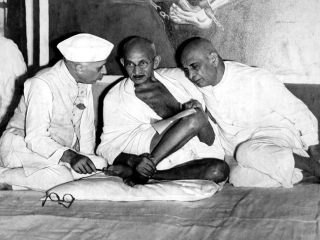 Nehruji’s Selection by Gandhiji for Congress Presidentship Again and Again
 Maharashtra Clinical Establishments Act to be enacted : Health Minister Prakash Abitkar
 Illegal church in Solapur and misconduct by a municipal employee to be investigated
 Radiant Thoughts of Sachchidananda Parabrahman (Dr) Jayant Athavale
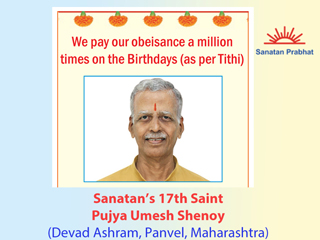 We pay our obeisance a million times on the Birthday (as per Tithi) of