
Ayurveda for a healthy life- 51/2025 on 1.05.2025

3B 2. Riboflavin (Vitamin B2)
A. Property : It is soluble in water and is stable at a high temperature too. It is yellow in colour and is destroyed in the presence of light and alkaline salts (Ksharas).
B. What are the functions of riboflavin, i.e. Vitamin B2 ? : It plays an important role in protein, fat and carbohydrate metabolism and respiration of cells.
C. What are the sources of riboflavin ? : Milk, milk products, cheese, meat, eggs, liver, fish, green leafy vegetables and cereals contain a good amount of riboflavin.
D. How can we recognise riboflavin deficiency ? : Its deficiency leads to soreness of the tongue, cracking at the angle of the mouth, inflammation and watering of the eyes, burning sensation in the eyes, peeling of the skin, headache, mental depression, forgetfulness, intolerance to light and blurring of vision.
E. Treatment : Daily dose of 5 mg. to 10 mg. of riboflavin should be administered orally for two weeks. After this as the symptoms decrease, 1 mg. of riboflavin should be given daily for two months.
3B 3. Pyridoxine (Vitamin B6)
A. What are the functions of pyridoxine ? : Pyridoxine which is also known as Vitamin B6 is useful in metabolism of carbohydrates, essential amino acids, proteins and fats. It is claimed to have a role in blood formation and proper functioning of the nervous system.
B. What are the sources of pyridoxine ? : Meat, milk, liver, kidney, whole grains, peas, groundnuts and soyabean are good sources of pyridoxine.
C. How can we recognise pyridoxine deficiency ? : Its deficiency in infants gives rise to irritability, convulsions, stomatitis, cracking at the angles of the mouth, anaemia, nausea, vomiting, skin lesions and macular rash on the face and around the eyes. In a newborn baby, the deficiency of Vitamin B6 in the initial two years of life can give rise to convulsions. Hence, the baby should be given 25 mg of Vitamin B6 orally. Isoniazid, a drug used in the treatment of tuberculosis causes deficiency of pyridoxine. Hence, while taking this drug, it is necessary to take supplements of Vitamin B6.
D. Treatment : (Depending on the age) 10 mg to 100 mg of Vitamin B6 should be orally administered daily.
3C. Nicotinic acid
1. What are the functions of nicotinic acid ? : Nicotinic acid is also known as niacin. It is required for several metabolic processes in the body and plays a vital role in the functioning of the skin, gastrointestinal tract, nervous system and bone marrow. It helps in the conversion of glycogen from carbohydrates to glucose.
2. What are the sources of nicotinic acid ? : Meat, fish, poultry, liver, green vegetables, whole grains, pulses, peas, nuts, wheat and dry yeast are rich sources of nicotinic acid.
3. How can we recognise nicotinic acid deficiency ? : Disease named pellagra is caused by deficiency of nicotinic acid and is characterised by fatigue, irritability, burning sensation of the
body, vomiting, loss of appetite, loss of weight, headache, soreness
of the tongue, diarrhoea, scaling and pigmentation of the skin in areas exposed to the sun like the limbs, neck, cheeks and weakness of eyesight. Intelligence and memory are also affected. It is commonly seen in people who predominantly take corn in
their diet.
3D. Folic acid
1. What are the functions of folic acid and Vitamin B12 ? : Folic acid & Vitamin B12 are important for maturation and multiplication of nuclei of all the cells including the red blood cells, formation
of genes, promotion of growth and maintenance of integrity of nerve fibres.
2. What are the sources of folic acid and Vitamin B12 ? : Fresh green vegetables, liver, nuts like walnut, almond, cashewnut, pulses, peas, chavli (Cow peas), soyabean, lady finger and eggs are good sources of folic acid while milk, cheese, meat, fish, liver and eggs are rich in Vitamin B12.
3. How can we recognise folic acid and Vitamin B12 deficiency ? : Folic acid and Vitamin B12 deficiency can give rise to anaemia.
4. Treatment : 5 mg. of folic acid and 100 mgm. of Vitamin B12 should be orally administered daily till the symptoms of deficiency subside.
3E. Vitamin C
1. Property : Vitamin C, i.e. ascorbic acid is soluble in water. It is destroyed in the presence of heat, light, caustic salts (Ksharas), enzymes, copper and iron.
2. What are the functions of Vitamin C ? : Vitamin C maintains the structure of the connective tissue. It stabilises calcium in the bones and teeth and facilitates the absorption of iron. It maintains the strength of the capillary wall. It plays an important role, i.e. it acts as a co-enzyme in the utilisation of certain amino acids like tyrosine and phenylalanin and in the formation of blood. Folic acid is converted into folinic acid. It is useful in infections.
3. What are the sources of Vitamin C ? : Important sources of Vitamin C (content in mg per 100 gm)
| Food item | Vitamin C (mg per 100 gm) |
Food item | Vitamin C (mg per 100 gm) |
| Vegetables | |||
| Asparagus | 30 | Radish leaves | 65 |
| Coriander leaves | 135 | Spinach | 48 |
| Cabbage | 125 | Cauliflower | 40 |
| Green chillies | 110 | Drumstick leaves | 220 |
| Beetroot | 90 | Brinjal | 25 |
| Karela (Bitter gourd) | 90 | ||
| Fruits | |||
| Amalaki (Avla) | 700 | Papaya | 50 |
| Guava | 200 | Tomato | 35 |
| Orange | 70 | Mango | 25 |
| Pineapple | 65 |
Normally a considerable amount of Vitamin C is destroyed during cooking or by addition of alkalies like soda bi-carb. Lemon and leafy vegetables contain Vitamin C.
4. Symptoms of deficiency : Deficiency of Vitamin C gives rise to a disease called scurvy.
The initial symptoms are irritability, indigestion, loss of appetite, fever and slow growth. There is bleeding in the periosteum (Covering of the bones), swelling, pain and tenderness of the bones resulting in slow movement of the limbs. There is bleeding from the skin and mucous membranes causing reddish discolouration. There is bleeding from the gums, spongy gums, anaemia, blood in the stools and urine, delayed walking, susceptibility to infection and delayed healing of wounds. In the last stage, there is enlargement of the heart and bone marrow depression.
5. Treatment : 100 mg to 200 mg of Vitamin C should be administered orally or one to two cups of orange, sweetlime or tomato juice should be taken.
 Consumer Disputes Redressal Commission penalises Reliance Retail shopkeeper
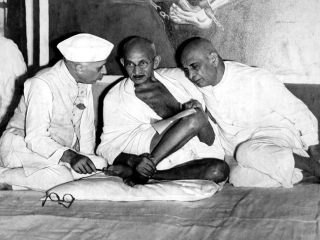 Nehruji’s Selection by Gandhiji for Congress Presidentship Again and Again
 Maharashtra Clinical Establishments Act to be enacted : Health Minister Prakash Abitkar
 Illegal church in Solapur and misconduct by a municipal employee to be investigated
 Radiant Thoughts of Sachchidananda Parabrahman (Dr) Jayant Athavale
 We pay our obeisance a million times on the Birthday (as per Tithi) of