
Ayurveda for a healthy life- 80/2026 on 16.7.2026

5E. Amaja shula
5E 1. Causes : Refer to causes of kaphaja and sannipatik shula.
5E 2. Symptoms
Nausea, vomiting, abdominal distension, heaviness in the stomach and the body and salivation, symptoms as per kaphaja colic.
5E 3. Treatment
Refer to treatment of kaphaja shula (colic).
A. Purgatives : Castor oil, haritaki
B. Medicines
Garlic, asafoetida, pippali, pippalimula, chavya, chitrak, ginger, indrayava, ativisha, erandamula (roots of castor), juice of betel leaves, coriander and bachanag.
6. Diet beneficial in abdominal pain
| Beneficial diet | Harmful diet | ||
| 1. | Cereals | Rice more than a year old | New cereals, wheat |
| 2. | Pulses | Udid (black gram), kulith (horse gram) and mung (green gram) | Pigeon pea (Tur) and peas |
| 3. | Milk | Milk, buttermilk, butter and ghee | – |
| 4. | Vegetables | Suran (yam), carrot, drumstick, radish, methi, karela (bitter gourd) and chakvat (edible vegetable). | Leafy vegetables, carrot, cucumber |
| 5. | Fruits | Lemon, watermelon, bor and orange | Jackfruit, pineapple, guava |
| 6. | Oil | Til (sesame) and castor oil | Groundnut oil |
| 7. | Spices | Cloves and ginger | Garlic, chilli |
| 8. | Water | Hot water | – |
7. Spiritual therapy (karmavipak)
If a patient with colicky pain does not respond to appropriate treatment it is likely to be the result of the bad deeds of his past life. In such cases one should resort to spiritual therapy.
7A. Causes
1. The Brahman who eats of shudras (the lowest amongst the four varnas) food ultimately suffer from indigestion and abdominal pain.
2. If one poisons an individual who trusts oneself suffers from pain on account of spleen problem.
3. An individual who does not offer money for the services rendered by a Brahman well-versed in the Vedas suffers from pain in the abdomen.
4. A person who kills a cow or a Brahman in his previous birth suffers from colicky pain.
5. An individual who troubles others suffers from pain in the abdomen.
7B. Treatment
1. One should observe a fast as described in kruchchhra, atikruchchhra or chandrayana prayashchitta.
2. One should offer food to the poor.
3. One should offer a cow and gold to a Brahman.
4. One should chant (repeat) the Name of Rudra.
8. What is appendix ?
A tubular projection of the size and shape of the little finger is present on one side of the first part of the large intestine known as caecum. This finger like projection is known as appendix. In a rabbit, goat and animals feeding on vegetation, the appendix is well developed and the long cellulose and hemicellulose in the grass and leaves is digested in the appendix. In man, the appendix is three inches long and does not have any function. It is at the right and lower part of abdomen.
9. What is appendicitis ?
Inflammation of the appendix is known as appendicitis. If the lumen of the appendix gets obstructed by food or hard stools, germs thrive easily and give rise to inflammation and swelling of the inner lining of the appendix. This ailment is more common in children and adults. Attacks of colicky pain which is felt near the umbilicus or the right lower quadrant of the abdomen, vomiting and fever are the symptoms of appendicitis. The pain is aggravated by pressing the abdominal region of the appendix.
Abdomen should not be massaged and the patient should not be given any purgative. Such patients should be admitted in the hospital under the supervision of a surgeon. Many patients require operation as the appendix filled with pus may burst in the abdomen. If detected and treated early, some patients may not require an operation.
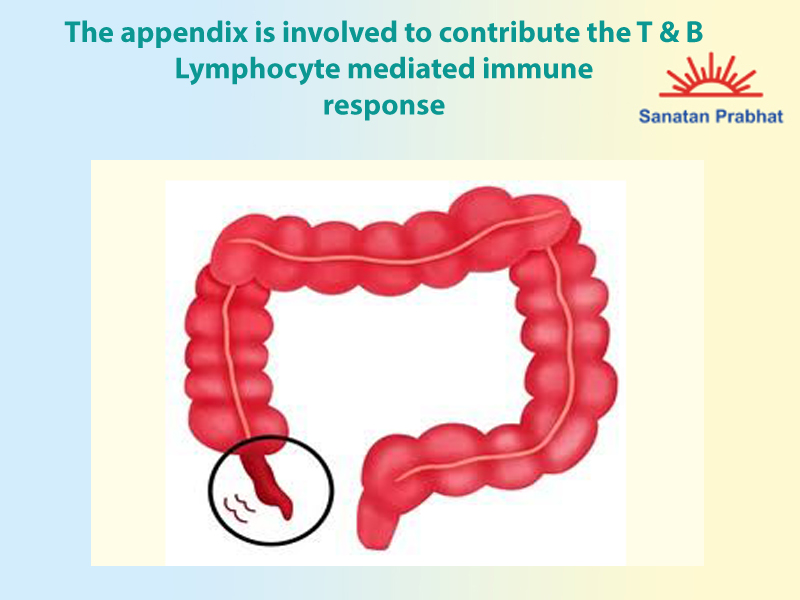
The Appendix: Its Role in Humans
Modern research suggests that the appendix performs several important functions in the human body. Instead of being a useless organ, it appears to contribute to maintaining the body’s internal environment as well as protect it against infection.
Biologists support the theory that the appendix is a vestigial organ that was more functional in our herbivorous ancestors. In herbivorous vertebrates, the appendix is generally larger and is believed to have assisted in the digestion of tough plant materials, such as leaves and roughages.
Studies suggest that in early human life when consumed plant-based diet predominantly then the appendix may have played a role in digestion. As human diets evolved to include more easily digestible foods, the digestive function of the appendix gradually declined. Although some scientists have proposed that the appendix may continue to decrease in importance over the the time.Role in the Immune System
Recent research has shown that the human appendix contains abundant lymphoid tissue, which helps the body recognize and fight infections. This finding strongly suggests that the appendix plays a role in the immune system.
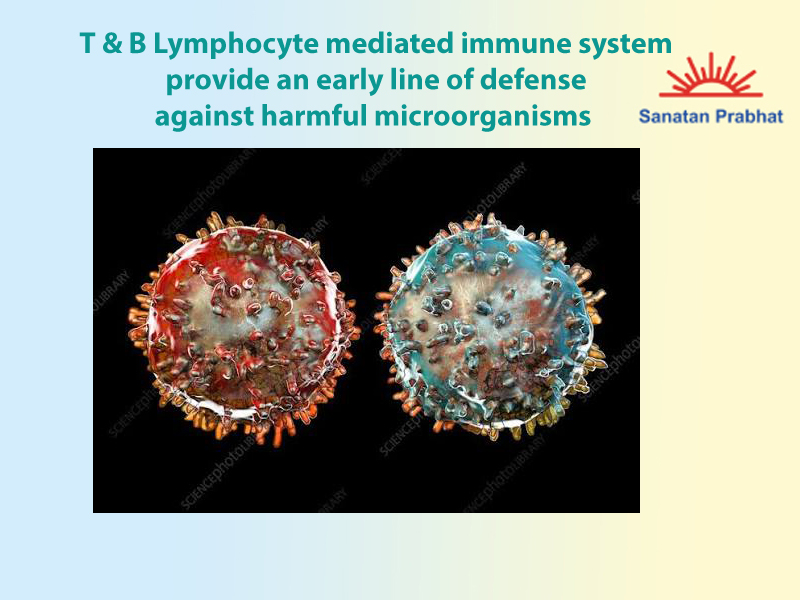
The appendix is believed to contribute to mammalian mucosal immunity. It is involved in the maturation of B lymphocytes, the production of immunoglobulin A (IgA) antibodies, and the development of T-lymphocyte-mediated immune responses. These functions help provide an early line of defense against harmful microorganisms entering the gastrointestinal tract.
Role in the Digestive System
Researchers at Duke University Medical Center have proposed that the appendix serves as a reservoir for beneficial gut bacteria. These beneficial microbes can help repopulate the intestine after illnesses that cause severe diarrhoea and disrupt the normal gut microbes.
According to recent observation the existence of of the appendix at the beginning of the large intestine supports the theory that it functions as a safe haven for beneficial bacteria. This reservoir may help restore the normal microbial flora after infections such as dysentery or cholera, when many beneficial bacteria are flushed out of the digestive tract.
Some studies also suggest that the appendix may play a minor role in regulating the movement of intestinal contents and maintaining gastrointestinal health.
Changes in the Appendix During Enteric Diseases
During enteric infections such as dysentery and cholera, beneficial intestinal bacteria are often lost from the digestive tract. The appendix is thought to help restore these beneficial microbes once the infection has resolved, thereby assisting in the recovery of the normal intestinal microbiome.
Conclusion
In conclusion, the appendix is no longer considered a functionless vestigial organ. Current evidence suggests that it contributes to immune function, supports the maintenance of beneficial gut bacteria, and may play a role in preserving gastrointestinal health.
 We pay our obeisance a million times on the Birthdays (as per Tithi) of
 Offering gratitude unto the Holy feet of the Guru is true Gurudakshina !
 Messages of the Gurus on the occasion of Guru Purnima (29th July)
 Sadguru (Dr) Mukul Gadgil’s analysis of the vibrations in the photos of Sachchidananda Parabrahman (Dr) Athavale, corresponding to His spiritual level at different times
 Projects of funding commercial complexes worth Rs 246 crore using temple funds cancelled by Tamil Nadu Government
 Salutations unto the Guru !