
Ayurveda for a healthy life- 77/2026 on 1.6.2026

8. Abdominal distension Gaseous (anaha and adhmana)
8A. Symptoms : Gurgling noises in the abdomen, abdominal distension, pain in the abdomen, constipation and retention of urine.
8B. Treatment
1. 1 to 4 teaspoonfuls of castor oil should be taken daily.
2. A mixture of ginger, indrayava and chitrak should be taken with hot water.
3. A decoction of dashamula should be taken with eranda oil.
4. A teaspoonful of a mixture of 1 part of pippali powder and 4 parts each of nishottara & sugar cubes should be taken with honey.
5. A teaspoonful of hingashtaka churna should be taken with buttermilk.
6. Insert suppository in the rectum.
7. Enema of oil or water is administered.
8. Administer oil syringe i.e. enema of 2 ozs. of til oil everyday.
9. Application of a hot paste of powders of devadaru, vacha, kushtha, shatavari, asafoetida, saindhav and lemon juice to the abdomen.
8. Abdominal pain
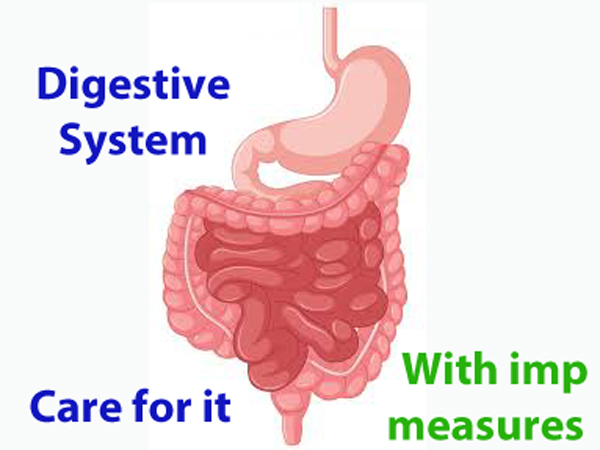
1. Causes of abdominal pain
Pain in the abdomen is a common symptom. Reasons are given ahead.
A. Indigestion : Stomach upset, low digestion triggers stomachache. Eating heavy food items in excess gives rise to indigestion which causes abdominal pain.
B. Inflammation of organs such as liver, pancreas, appendix, kidneys, intestines or ovaries.
C. Ulcers in the stomach, duodenum or intestines. (symptoms – typhoid or dysentery) This also causes stomachache.
D. Suppression of natural urges of passing stools, urine, flatus, belching and hiccoughs. If bowels are not cleaned, it leads to hard stools, flatus and stomachache.
E. Obstruction in the passages such as round worm obstruction in intestines, presence of stones in the bile duct or urinary tract. Intestinal twisting, Intussusception or telescoping and intestinal positioning due to abdominal hernia can cause stomachache.
F. Injury to abdominal organs.
G. Allergy to food items or drugs.
H. Referred pain: Referred pain from diseases of lungs, pleura, testes or the spinal cord.
I. Psychological causes such as anger, jealousy, tension, fear and an unhappy environment are noticed predominantly. A child who has abdominal pain some times has some psychological cause. Quarrel between parents, jealousy about elder brother who often beats him, unhealthy or sarrowful environment at home, fear of wicked friends, a harsh school teacher and severe punishment – all such aspects can result in stomachache. Here, the cause of stomachache is mainly psychological.
In adults, tension gives rise to headache while in children it gives rise to pain in the abdomen.
J. Forced feeding in children : It is a common scene in every house in the morning. The mother holds a glassful of milk and coaxes the child to drink it with the grandmother following suit, while the child runs from one room to another to avoid drinking it. In this process, half the milk is spilt which enrages the mother who beats the child and the child starts crying. The child tries to find a cause to avoid her forceful feeding. When the child complains about stomachache, the mother stops feeding milk. Now the child becomes habitual to rejecting the mother with the excuse of a stomachache. Further, the child uses this option even for obtaining love from others and compassion.
2. What are the causes of severe or unbearable pain in the abdomen ?
Sometimes the stomachache is so severe that the patient lies down, gets disturbed and rolls due to pain and such a condition requires the attention of a doctor. Problem of appendicitis, intestinal obstruction, intestinal intussusception or intestinal abscess or peptic ulcer, stone in the bile duct or the urinary tract are the common causes of severe pain in the abdomen. Haemorrhage can occur in such stages. The patient should be hospitalised under the care of a specialist as it essentially requires surgery urgently.
3. What investigations are undertaken to find out the cause of pain in the abdomen ?
A. Blood examination
1. Routine blood test : An increase in white blood cells indicates inflammation of the abdominal organs due to contagious pathogens.
2. Special blood tests : High levels of blood Urea, SGPT and Amylase indicate inflammation or diseases of the kidneys, liver and pancreas respectively.
B. Urine examination
1. Presence of pus cells in the urine indicates inflammation of the urinary tract.
2. Presence of bile pigments in the urine indicates jaundice. Presence of a large amount of crystals indicates the likelihood of stones in the urinary tract. This indicates disease of liver and kidney.
C. Stool examination : Presence of eggs of worms indicates worm infestation. Helps in diagnosis of amoebiasis
D. Barium meal and Barium X-ray : At the beginning of the examination the patient is asked to swallow liquid barium and supporting medicines and the radiologist uses a fluoroscopy unit (X-ray machine) to visualize and take images of the stomach and other organs after a few minutes. This barium meal passes through oesophagus, stomach and intestines. The study of various images indicates the presence of intestinal obstruction, inflammation, or ulcers.
E. X-ray of the abdomen : It detects the presence of stones in the gall bladder or the urinary tract.
F. Intravenous pyelography (radiology) : An X-ray contrast material that is excreted through the kidneys is injected intravenously. Here, a series of images are taken to capture various images of kidney, ureter, bladder when the fluid enters through these and image is also taken at the time of passing stools. This detects the presence of inflammation, narrowing, stones or obstruction in the urinary tract.
G. Cholangiography radiology : An X-ray procedure that involves the injection of a contrast material directly into the bile ducts inside the liver to produce images of the bile ducts This procedure is usually performed by an interventional radiologist. This outlines the structure and obstruction of the bile duct.
H. Ultrasonography : This is a diagnostic imaging technique based on the application of ultrasound. It is used to create an image of internal body structures such as tendons, muscles, joints, blood vessels and internal organs. It gives the structure of various organs and the presence of a swelling, tumour or abscess in the abdomen.
I. Colonoscopy : The procedure is used for examining the colon and rectum and helps evaluate the rectal and intestinal changes.
J. Endoscopy : It is nonsurgical method used for examining the upper digestive tract. In upper endoscopy, an endoscope is passed through the mouth and throat and oesophagus to view the oesophagus, stomach and upper part of the small intestine.
K. CT scan : Computed tomography (CT) of the abdomen and pelvis is a diagnostic imaging test used in helping detect diseases of the small bowel, colon and other internal organs and is often used for determining the cause of unexplained pain. CT scans can spot it or see any changes of the structure of various organs and the presence of a swelling, tumour or glands.
 Criminal case against 11 members of a Christian organisation who claimed that “Hindu is an abusive term, meaning thief, bandit and slave” will not be quashed !
 Consumer Disputes Redressal Commission penalises Reliance Retail shopkeeper
 A person’s nationality or foreign name cannot determine their faith in Hindu Dharma !
 Maharashtra Clinical Establishments Act to be enacted : Health Minister Prakash Abitkar
 Illegal church in Solapur and misconduct by a municipal employee to be investigated
 Radiant Thoughts of Sachchidananda Parabrahman (Dr) Jayant Athavale