
Ayurveda for a healthy life- 75/2026 on 1.5.2026
18. Food allergy
An individual who is allergic, that is hypersensitive to a particular food item develops symptoms such as vomiting, diarrhoea, urticaria, allergic rashes, asthma even if he eats a very small quantity of the food, e.g. if a person allergic to egg, eats a small piece of cake containing egg, he develops allergic manifestations.
Egg, fish, crabs, oranges, pulses, groundnuts, chocolates are common food items to which individuals develop allergy. However, one may be allergic to any food item. The allergic symptoms manifest within a few hours of consumption of a food item and the symptoms recur when the same food item is eaten again.
It is important to find out the food item to which the individual is allergic. There are two ways : 1. To omit food items one by one for two weeks and 2. To start with a diet of rice and milk and gradually add food items one by one and note the development of allergic symptoms. An individual allergic to one food item is often allergic to many others. If one is not able to identify the allergic food item, skin allergy tests should be undertaken. One should avoid the food substances to which one is allergic.
7. Indigestion (Ajirna)
When the food is not well digested, the undigested food is not absorbed into the blood and remains in the intestine resulting in indigestion.
1. Causes and types of indigestion
1A. Causes
1. Drinking excess of water
2. Eating food in excess, eating incompatible food items
3. Eating when not hungry or not eating in time
4. Eating before the earlier food is digested
5. Suppressing the natural urges for passing stools, urine, belching, vomiting, etc.
6. Keeping awake at night
7. Fear, jealousy, anger, greed, worry and psychological tension. All this can cause mental worry, leading to stomach upset and finally to indigestion
Every individual has a different constitution hence, indigestion is classified into –
1B. Types of indigestion
1. Vishtabdha ajirna : Individuals with a vata constitution and vata type of intestines suffer from constipation, pain in the body, irritable nature and distension of the abdomen.
2. Vidagdha ajirna : Individuals with a pitta constitution and pitta type of intestines suffer from increased acidity, sour eructation, burning sensation in the stomach, burning sensation in the body and are short-tempered.
3. Ama ajirna : Individuals with a kapha constitution and kapha type of intestines suffer from nausea, vomiting, heaviness of the abdomen and body. They suffer from pain in the joints and slight swelling of the lower eyelids. Induction of sweating is useful.
4. Rasashesha ajirna : In this type of indigestion, the food is well digested and absorbed into the blood but is not yet digested and absorbed by the cells and tissues of the body. The belching is without any odour or taste. The patient feels lightness of the abdomen but the chest and body feel heavy. He does not have the desire to eat food. Sleeping till the heaviness subsides is the best remedy.
2. Medicines useful in indigestion
2A. General treatment : Fasting is useful in all types of indigestion.
The words light and heavy for digestion are used for persons with a weak digestive power. Individuals with a good digestive power can digest any food item and usually do not suffer from indigestion.
Persons with indigestion should take a mixture of ginger and haritaki powder with hot water.
2B. Effective medication on indigestion: Ginger, pepper, pippali, pippalimula, ajamoda (celery), cumin seeds, shahajire, asafoetida, coriander seeds, vacha, cinnamon, kushtha, vidanga, chavya, nagakeshar, guduchi, bhallataka (marking nut), cloves, dry black grapes, rasna, shathi, Kapur kachar (Spiked ginger lily), ginger juice, shatapushpa, fennel, lemon juice, amlavetasa, tamarind, kokam, buttermilk, pomegranate, saindhav, bidalavan, sauvarchala (blacksalt), yavakshara, sajjikshara, Salt made from the bark of the tamarind tree, sambermeetha and shankhabhasma (ash of a conch).
2C. What is the treatment for indigestion arising due to eating a particular food item in excess ?
| Food item | Treatment | Food item | Treatment |
| Coconut | Rice | Curds from buffalo’s milk | Shankha bhasma |
| Mango juice | Milk | Khadisakhar (sugar cubes) | Ginger (sunth) |
| Ghee | Lemon Juice | Sugarcane | Ginger |
| Banana | Ghee | Lemon juice | Salt |
| Buttermilk from buffalo’s milk | Saindhav | Buttermilk from cow’s milk | Luke warm rice kanji |
| Buttermilk | Kshara of yavakshara | Moong | Amalaki |
| Orange | Radish | Jaggery | Ginger (sunth) and musta |
| Jackfruit | Banana | Salt | Rice washing |
| Udid (black gram |
Sugar cubes, buttermilk and lemon juice | Walnut, almond, pistachio | Clove |
| Harbhara (Gram) | Radish | Matki | Whey |
| Jwari | Ajamoda | Kachara | Ginger |
| Kulith (Hulaga) | Oil | Starch | Cold water |
| Rice | Whey | Tortoise | Yavakshara |
| Meat | Rice kanji | Snake gourd, bitter gourd and pumpkin | Kshara of palash tree |
| Milk | Soup of moong | Alu and leafy vegetables | Rice washing |
| Khichadi | Saindhav | Wheat | Cucumber |
| Pigeon and peacock and | Roots of kush grains, root of darbha | Tur (Pigeon pea) | Rice kanji |
| Yam | Radish | Shrikhand | Ginger, pepper, pippali |
| Water chestnut | Ginger | Udid | Lemon juice |
| Starchy food | Lemon juice |
3. Vishtabhdha ajirna (vataja indigestion)
In this type, the indigestion is dominated by vata dosha. Bloating and gases are noticed
3A. Symptoms : Constipation, Distension and pain in the abdomen, Headache
3B. Causes : Eating in a hurry without chewing properly, constipation, stomach upset, indigestion, Excessive use of antibiotics and psychological tension causes gases in abdomen.
3C. Treatment
1. Induction of sweating : Steam-bath in a steam room is advised.
2. Gentle massage of the abdomen with warm narayan oil.
3. Fasting till the patient becomes hungry.
4. Purgatives : A teaspoonful of powders of each of triphala, haritaki, sonamukhi and 1 to 2 teaspoonfuls of castor oil.
5. Enema with til (sesame) oil.
6. Oral medication
A. 1/4 to 1/2 teaspoonful of hingashtak powder should be taken with buttermilk twice a day.
B. A decoction of nishottara, haritaki, ginger, asafoetida, saindhav and chitrakamula should be taken.
C. A mixture of powders of 1 part pippali, 4 parts of nishottara and 4 parts of khadisakhar (sugar cubes) should be taken with honey.
D. A mixture of powders of nirgundi, ajamoda (celery), chitrak, turmeric and ginger should be taken with buttermilk.
E. A decoction of dashamula should be taken with castor oil.
F. A decoction of indrayava, chitrak and ginger should be taken.
G. A mixture of powders of ginger, pepper, pippali, bidalavan, sauvarchala (blacksalt), cumin seeds, haritaki, patha, indrayava, chitrak and yavakshara should be taken with buttermilk. – Advised for Kashthhagat vata
H. A decoction of chitrak, indrayava, katuka, haritaki, ativisha and patha should be taken.
I. One tablet of lashunadi vati should be taken twice a day.
J. Deepak pachak powder : A mixture of powders of ginger, long pepper, pippalimula, asafoetida, vacha, garlic, guduchi, devadaru, musta, chitrak, ajamoda, vidanga and ativisha should be taken with hot water.
K. A mixture of powders of asafoetida, vacha, bidalavan, ginger, cumin seeds, haritaki, pushkaramula and kushtha should be taken with hot water.
L. A decoction of vacha, haritaki, chitrakamula, yavakshara, pippali, ativisha and kushtha should be taken.
M. A decoction of asafoetida, vacha, kushtha, sajjikshara and vidanga should be taken.
N. A mixture of powders of coriander, asafoetida, haritaki, pushkaramula, saindhav, bidalavan, kachalavan and yavakshara should be taken with hot water.
O. A mixture of powders of saindhav and ajamoda (celery) should be taken with hot water.
P. Half teaspoonful of lavanabhaskara churna should be taken twice a day with hot water.
Q. A decoction of erandamula (roots of castor) should be taken.
R. A decoction of asafoetida, ginger, cumin seeds, ajamoda, haritaki and ativisha should be taken.
S. Eranda oil should be taken with juice of mahalunga.
T. Fomentation of the abdomen with 60 mg. of hot agnitundi rasa rubbed around the umbilicus.
U. Hot poultice of devadaru, vacha, kushtha, shatavari, asafoetida and saindhav triturated with lemon juice should be applied to the abdomen.
 Criminal case against 11 members of a Christian organisation who claimed that “Hindu is an abusive term, meaning thief, bandit and slave” will not be quashed !
 Consumer Disputes Redressal Commission penalises Reliance Retail shopkeeper
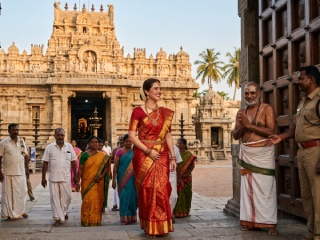 A person’s nationality or foreign name cannot determine their faith in Hindu Dharma !
 Maharashtra Clinical Establishments Act to be enacted : Health Minister Prakash Abitkar
 Illegal church in Solapur and misconduct by a municipal employee to be investigated
 Radiant Thoughts of Sachchidananda Parabrahman (Dr) Jayant Athavale