
In the run-up to the 2026 Assembly elections in key States, old controversies from the Congress-led UPA era have returned to the center of political debate. Social media users have been resurfacing posts, speeches, and policy decisions from 2011 to 2014, showing that they reveal a pattern of appeasement toward Pakistan, hostility toward Hindu sentiment, and an intolerance toward dissent.
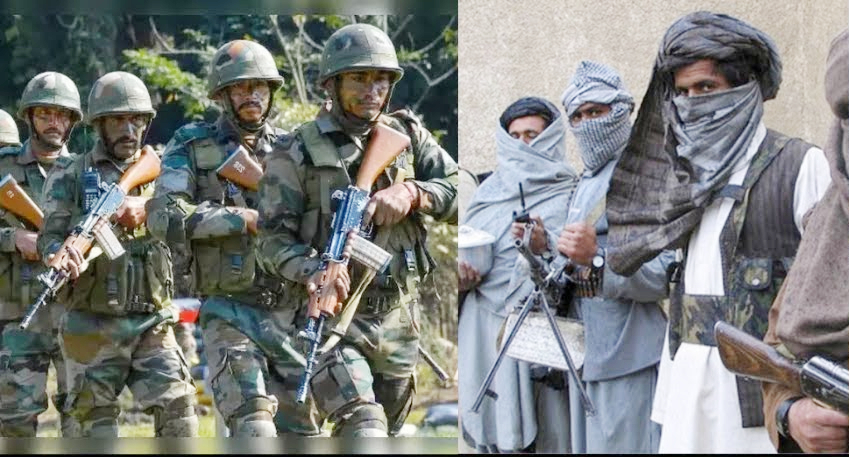
One of the most cited examples is the release of Shahid Latif, a Jaish-e-Mohammed operative later linked to the 2016 Pathankot airbase attack. Reports in 2016 said he had been freed in 2010 as part of a ‘goodwill gesture’ by the UPA Government, along with 24 other militants, in an effort to improve relations with Pakistan. That episode shows that the Congress Government showed extraordinary leniency toward terror-linked individuals.
25 terrorists freed by UPA as goodwill gesture to Pakistan in 2010 !!!!!!! Unbelievable !!!! – Manak Gupta (@manakgupta) May 17, 2016 (pic.twitter.com/hyjL0RuKEB )
Another controversy concerns the UPA-era decision to unblock thousands of Twitter accounts after the Modi Government came to power in 2014. Reports at the time said nearly 10,000 accounts had been blocked under the earlier Government, including handles that mocked or criticized the ruling establishment. The episode has become a symbol, for critics, of how freely the Congress Government allegedly used State power against online dissent.
The execution of Afzal Guru also became a major political flashpoint. He was hanged in February 2013 after years of delay following the rejection of his mercy petition, and the Government faced criticism for not informing his family in advance. Supporters of the Congress position say it was a legal process, but critics argue that the long delay reflected political hesitation in dealing firmly with terrorism. The Ram temple issue also became a major line of attack against Congress. In December 2017, senior Congress lawyer Kapil Sibal asked the Supreme Court why there was such ‘hurry’ to hear the Ayodhya dispute, a move many saw as an attempt to delay a politically sensitive case. Though the legal context was complex, the moment is another example of Congress opposition to the Ram Janmabhoomi movement.
Congress also drew criticism for statements that appeared to elevate family loyalty above institutional or national language.
In December 2013, Salman Khurshid said Sonia Gandhi was not just Rahul Gandhi’s mother but ‘mother of entire India,’ a comment that sparked ridicule and outrage.
On foreign policy, critics point to the UPA Government’s decision in 2012 to exclude Iran from a urea import tender ahead of Hillary Clinton’s visit to Bharat. India Today reported that the tender explicitly said bids from Iran would not be considered, a move widely seen as pressure-driven and proof that the Government was overly sensitive to American preferences. The episode has since been cited as evidence of weak, externally influenced diplomacy.
The 2013 Depsang incident further fed perceptions of strategic weakness. The Government formally admitted that Chinese troops had intruded about 19 kilometers inside Bharatiya territory in Ladakh and pitched tents there. The standoff lasted days and became a symbol of how the UPA handled border pressure with caution rather than decisive retaliation.
(Courtesy : Article by Jamadagnya for hindupost.in; 2.4.2026)
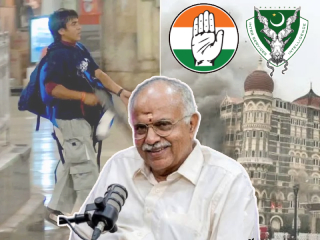 26/11 Mumbai attack was orchestrated jointly by the Congress and the ISI: RVS Mani
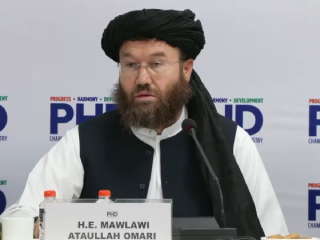 Our DNA and India’s DNA are the same !
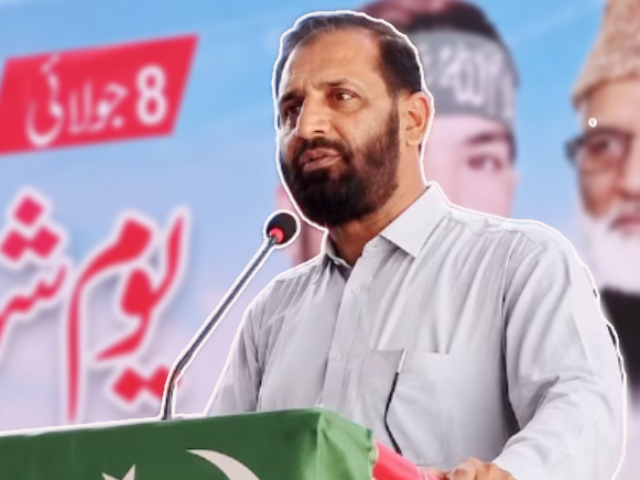 Every graveyard in Kashmir contains the graves of Pakistani terrorists !
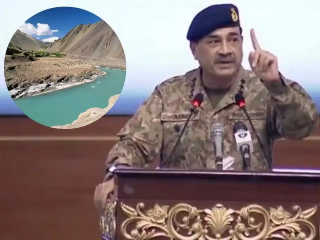 ‘Pakistan will make every effort at every level in the Indus Waters Treaty matter !’ : Pak Army Chief Munir
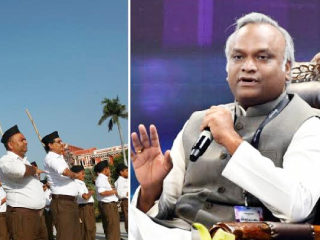 “As long as I remain a Minister, the RSS must obtain permission for its route marches”: K’taka HM Priyank Kharge
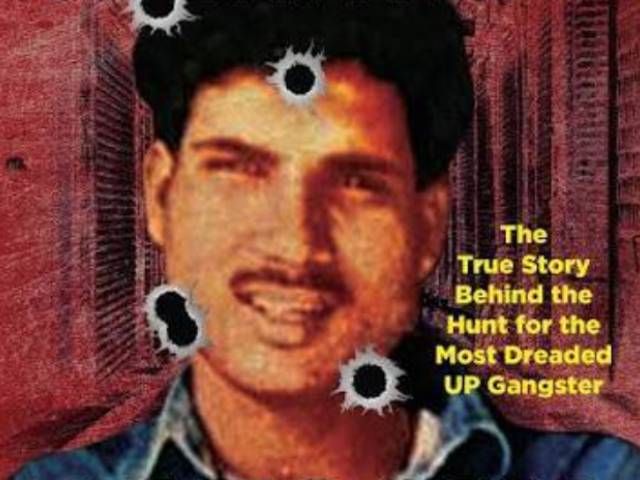 Former IPS officer Rajesh Pandey’s book Antaheen claims terrorist Riyaz Bhatkal was killed in Pakistan by Hindu gangsters