
Ayurveda for a healthy life- 70/2026 on 16.2.2026
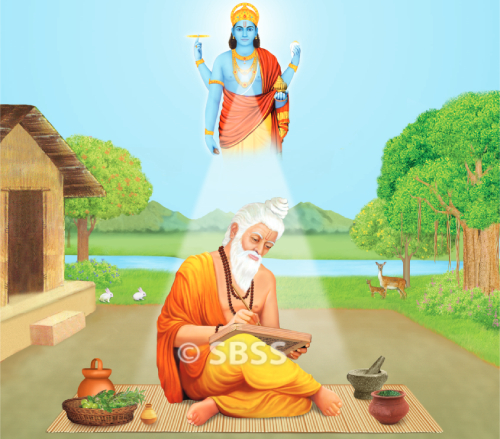
10F. Spiritual therapy
If the best treatment fails to cure the patient, the disease is considered to be caused by his sins, that is, bad deeds of his past life. The patient should undertake fasting as prescribed in the kruchchhra, atikruchchhra, prajapatya and chandrayana prayashchitta (atonement). He should offer meals to 50 pious Brahmans (priests). He should repeat (chant) the Name of Rudra or Rudrasukta (verses in praise of Deity Rudra) and the Name of his family Deity and fire-sacrifice performed to appease the Deity.
10G. Karmavipak : A rich person who does not donate or donates tamasik food items that is stale, fermented or putrefied food items suffers from anorexia, that is arochaka.
10H. Treatment as per Astrology : According to astrology, if the planets Saturn (Shani), Mars (Mangal), Rahu or Ketu are present in his own, that is house number 1 of the horoscope by themselves or along with Jupiter (Guru), the individual suffers from weak digestive power and arochaka. He should repeat (chant) the mantra of Guru.
11. What are the causes of excessive appetite ?
The causes of excessive appetite are classified into natural and acquired causes.
11A. Natural causes
1. Age : Infants below six months of age feel hungry and drink milk every 3 hours as they grow fast and double their birth weight by 5 months.
Adolescent boys and girls also feel hungry as they also have a growth spurt during adolescence.
2. Season : In winter, the appetite increases as more quantity of food is required to generate the calories required to keep the body warm.
3. Activity : Workers, labourers who do physical hardwork have increased appetite. Exercise also increases the appetite.
4. Recovery from a disease : During the convalescent phase, the appetite becomes more than normal to compensate for the reduced appetite and lesser food intake during the acute phase of the disease (during recovery stage of typhoid, jaundice).
11B. Acquired causes
1. Diseases : Appetite is increased in diabetes and hyper-thyroidism. In diabetes, the patient eats more to compensate for the loss of energy through glucose in urine. In hyperthyroidism, the metabolic rate is increased. Hence, more calories are spent. To compensate for this excessive energy output, the patient eats more.
2. Drugs : Corticosteroids increase the appetite tremendously.
3. Absence of control over eating tasty dishes : Every individual eats in excess if the food is tasty. Thereafter he gets addicted to tasty food items and overeats.
12. Trushna (excessive thirst)
The word ‘trushna’ literally means thirst. Thirst is the desire to drink fluids. Thirst depends on the water requirement of the body. The diseases in which excessive thirst is present as a symptom are included under the disease ‘trushna’. Excessive thirst is present during summer and after doing exercise. Acute diarrhoea, diabetes mellitus, diabetes insipidus and fever also give rise to excessive thirst which should always be excluded or treated appropriately.
The causes, the increased dosha (humour) and the associated symptoms vary in different types of trushna. Their symptoms and treatment are given ahead.
12A. Amaja trushna : Excessive thirst is present in the ama stage of a disease. Nausea and a feeling of heaviness in the stomach are also present.
The treatment consists of –
1. Decoction of ginger, vacha, bala, amalaki should be taken.
2. Thirst during new moon period: During this time, nausea, feeling of vomiting is noticed. For this feeling, decoction of ginger, vacha, bala and ambada should be taken.
12B. Vataja trushna : Dryness of the mouth is the main symptom.
The treatment consists of –
1. A decoction of dashamula
2. Eating curds with jaggery
3. Drinking mutton soup
12C. Pittaja trushna : Burning sensation is the main associated symptom.
The treatment consists of –
1. Drinking a decoction of sariva, musta, ushira and sandalwood.
2. Drinking juice of ripe udumbara (Holy fig) fruits.
3. Drinking juice of figs.
12D. Kaphaja trushna : Nausea, uneasy sensation in the stomach and heaviness of the body are the associated symptoms.
The treatment consists of –
1. A decoction of bel (bilva), darbha and ginger.
2. Soup of moong (green gram) medicated with ginger, pepper and pippali.
12E. Excessive thirst and vomiting following injury
Water medicated with water chestnut, lotus and mocharasa is useful.
12F. Thirst in tuberculosis
Ghee should be consumed.
12G. Thirst following overeating
Vomiting should be induced.
12H. Thirst following over-exertion
Drink mutton soup and water with jaggery. Drink chicken soup.
12I. Thirst following fear
Drink a glass of water to which one teaspoonful of honey is added.
12J. Thirst following walking in the sun
Drink water to which sugar and powder of sattu (barley) are added.
12K. Thirst following drinking alcohol
Drink lemon juice and kokam sarbat after adding honey.
In all types of thirst, udumbara juice should be diluted with water and taken after adding sugar. Sugarcane juice and mutton soup or milk can also be consumed depending upon the severity.
 5 Hindu youths arrested for consuming meat and alcohol on a boat in the River Ganga
 Dead lizard found in Chinese food in Ulhasnagar
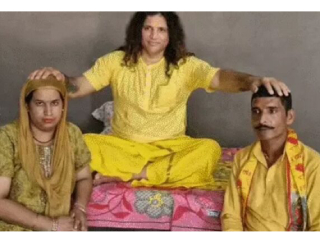 Tired of the hard-line ideology of Islam, embraces Sanatan Dharma along with his wife and children !
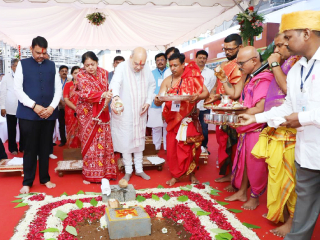 Union Home Minister launches ‘Shri Mahalakshmi Devi Mandir Development Plan’ worth Rs 1445 crores
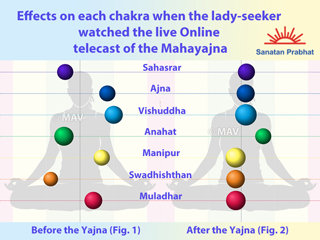 Six Kundalini-chakras of a lady-seeker becoming conducive to imbibing Chaitanya after watching the Shri Rajamatangi Mahayajna Online
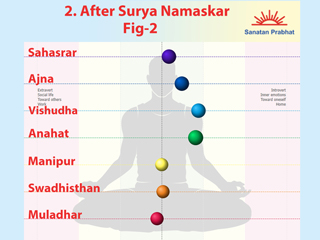 ‘Surya Namaskar’: Beneficial for all aspects of an Individual’s Life !