
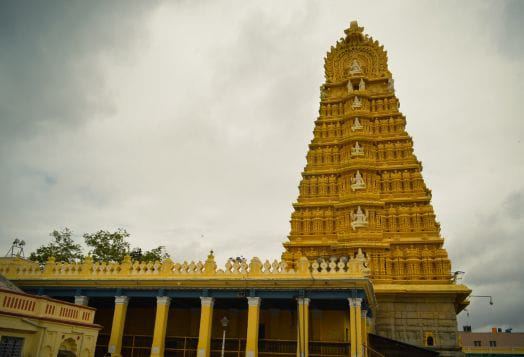
Bengaluru (Karnataka) – Funds collected in Government-controlled temples will be used only for maintenance, renovation, creation of infrastructure, running of educational institutions operated by temples, and religious activities of the respective temple. These funds will not be used for any other purpose. At present, District Religious Boards have been set up in 7 Districts. In the remaining 23 Districts, Boards will be set up after the proposal is submitted by the District Collectors and approved by the Department. This announcement was made by Minister for Charitable Affairs, Mr Ramalinga Reddy while speaking in the Assembly. The Congress is in power in Karnataka.
Fines to be imposed to preserve sanctity
Replying to questions from BJP’s Bharathi Shetty and Congress’ Madhu G Madegowda in the Legislative Council, Ramalinga Reddy said that temple authorities will strictly enforce the ban on plastic. To maintain cleanliness and preserve the sanctity, anyone found guilty of using plastic in a temple premises, will be fined.
Instead of Sanskrut, Kannada to be promoted in Temple rituals
To help ordinary devotees understand the rituals better, chanting of mantras in Kannada will be encouraged in other temples as well, similar to the Hiremangalur Kannan Temple in Chikkamagaluru.
Agama Convocation after 18 years
After 18 years, an Agama Convocation will be organised to award certificates to students who have passed the Sarvagama Pravara and Pravina examinations. This ceremony is symbolic of the Government’s efforts to preserve traditional education and promote temple-related learning.
If these decisions are actually implemented, it will be commendable. If the Congress Government in Karnataka can do this, other State Governments should not find it difficult to take a similar decision.
| Editor’s Perspectives
If these decisions are actually implemented, it will be commendable. If the Congress Government in Karnataka can do this, other State Governments should not fi nd it difficult to take a similar decision |
 Criminal case against 11 members of a Christian organisation who claimed that “Hindu is an abusive term, meaning thief, bandit and slave” will not be quashed !
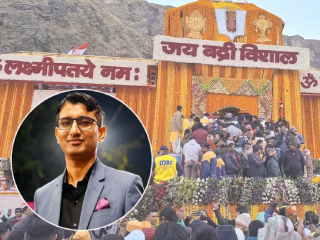 Private Secretary to the Chairman of the Temple Committee, Pramod Nautiyal, suspended
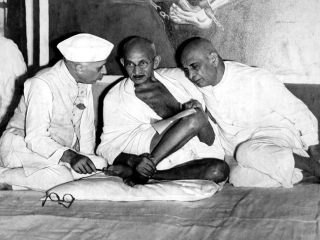 Nehruji’s Selection by Gandhiji for Congress Presidentship Again and Again
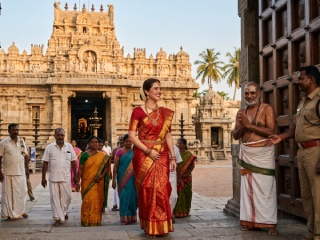 A person’s nationality or foreign name cannot determine their faith in Hindu Dharma !
 Radiant Thoughts of Sachchidananda Parabrahman (Dr) Jayant Athavale
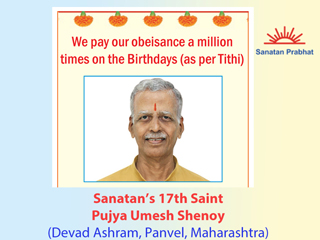 We pay our obeisance a million times on the Birthday (as per Tithi) of