
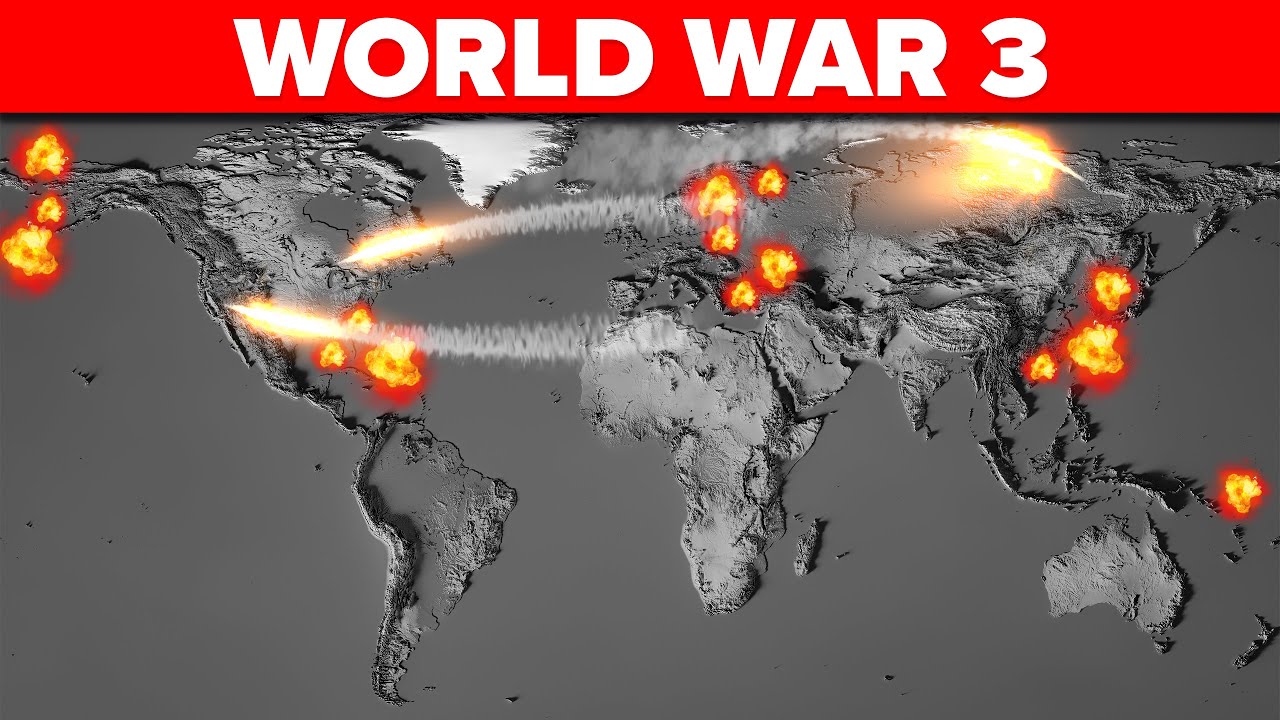
The current global scenario bears an unsettling resemblance to the days preceding the earlier World Wars. The Russia–Ukraine conflict, which began in 2023, shows no sign of resolution. While the world remains preoccupied with that war, another dangerous front has opened: the escalating Israel–Iran conflict, now over ten days old. This is no longer a mere regional confrontation—it poses a grave threat to global peace and stability.
Missile attacks, airstrikes, and destruction have turned parts of the Middle East into battlefields once again. Iran has refused to halt its nuclear pursuits despite repeated warnings from the United States. The resulting devastation on both sides continues to mount. In response, on June 22, the U.S. directly entered the war, striking three nuclear sites in Iran. This marks a serious escalation with the potential to draw major world powers into a full-scale conflict.

Following Israel’s strike on Iran, Russia’s top military general declared unequivocally: “The Third World War has already begun.” The world must take such declarations seriously, especially when they come from a nuclear power with direct interests in the region.
Axis of Powers Realigning – A Dangerous Polarisation
As the situation deteriorates, it is increasingly clear that the world is dividing into two distinct blocs. On one side are the United States, Israel, and potentially NATO and European powers. On the other are Russia, China, North Korea, and Iran. These are not mere diplomatic alignments; they carry serious military implications.
Iran, which had supplied Russia with drones and missiles in the Ukraine war, now finds itself supported in return by Russia and China. In fact, former Russian President Dmitry Medvedev has warned that several countries are ready to supply nuclear weapons to Iran. Such dangerous propositions only bring humanity closer to the brink of disaster.
India, acting wisely, has evacuated over 1,700 citizens from both Israel and Iran under ‘Operation Sindhu’. Meanwhile, countries such as Saudi Arabia, Kuwait, Bahrain, and Qatar—where U.S. military bases are situated—have raised their security levels significantly. Civilians are being advised to remain indoors, and preparations for shelter and emergency response are underway.
Moral Clarity Amid Political Confusion
Even within the United States, opposition to military action is growing. Prominent Democratic leaders have demanded clarity on the intent behind the strikes on Iran. Congressman Ro Khanna has called upon his colleagues to curtail former President Trump’s war powers, signalling domestic political unrest over America’s engagement.
Israel’s Prime Minister Benjamin Netanyahu has made it clear: the war will not end until Iran’s Supreme Leader Ayatollah Ali Khamenei is eliminated. But such rhetoric, if not tempered, could unleash irreversible consequences for the region and beyond.
The scenario evokes questions that go beyond geopolitics. Are we, as a global civilisation, heading blindly toward mutual annihilation in pursuit of power and dominance?
The Unspoken Cost: A World Pushed to the Brink
The ripple effects of this conflict are already being felt. Iran’s vast oil reserves are now under threat. Should this supply be disrupted, countries like India will suffer economically. A war of this scale would halt international trade, push fuel and food prices sky-high, and destabilise developing economies.
Moreover, the situation has created an opportunity for rogue states to push their agendas under the fog of war. North Korea’s missile tests, China’s ambitions in Taiwan, and the continuing war in Ukraine all combine to bring the world dangerously close to a catastrophic confrontation.
Experts warn that if this crisis is not defused within 72 hours, the probability of World War 3 will rise sharply. Nations that currently have no stake in the war may soon find themselves drawn into it—willingly or unwillingly.
The Dharmik Perspective: It Is Still Not Too Late
Sanatan Dharma teaches us that war, though sometimes unavoidable, must always be the last resort—and only for the protection of Dharma and humanity. What we are witnessing today, however, is not a Dharmayuddha, but a struggle for nuclear supremacy, ego, and power.
The current crisis reminds us of the need for global spiritual awakening and righteous leadership. If the world truly wishes to avoid catastrophe, it must return to the principles of Satya (Truth), Ahimsa (Non-violence), and Dharma (Righteousness). These are not mere ideals; they are the foundation for lasting peace.
It is not too late. The international community still has an opportunity—however narrow—to step back from the edge. The resolution lies not in more weapons, but in moral strength, diplomacy grounded in truth, and the courage to choose peace over pride.
Conclusion: A Call to Conscience
Preventing the World War 3 is not merely a strategic necessity; it is a spiritual and moral obligation for all of humanity. A war driven by the thirst for nuclear domination will not distinguish between aggressors and bystanders—it will reduce nations to dust.
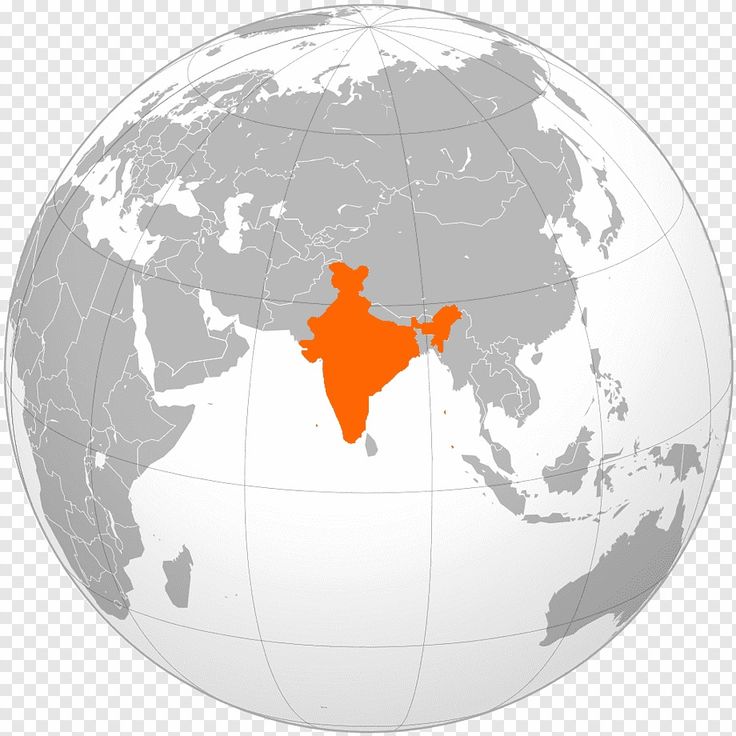
Let the global leadership rise to the occasion. Let Bharat (India), as the cradle of Dharma and wisdom, show the path of peace to the world once again.
The time to act is now—for tomorrow may be too late.
 US to impose 100% tariffs on five countries, including India, for purchasing Russian oil !
 Porous Borders, Shadow Operatives: Unpacking the Geopolitical Rift in the US-India Intelligence Relations
 Messages of the Gurus on the occasion of Guru Purnima (29th July)
 Salutations unto the Guru !
 A brief overview of the spiritual journey of Sanatan Sanstha
 Eliminate personality defects, negligence and confusion for rapid spiritual progress