
The murti continues to be officially recorded as ‘case property’ (seized material).
It was before this very murti that the Chapekar brothers paid obeisance and took a solemn oath to fight for India’s freedom
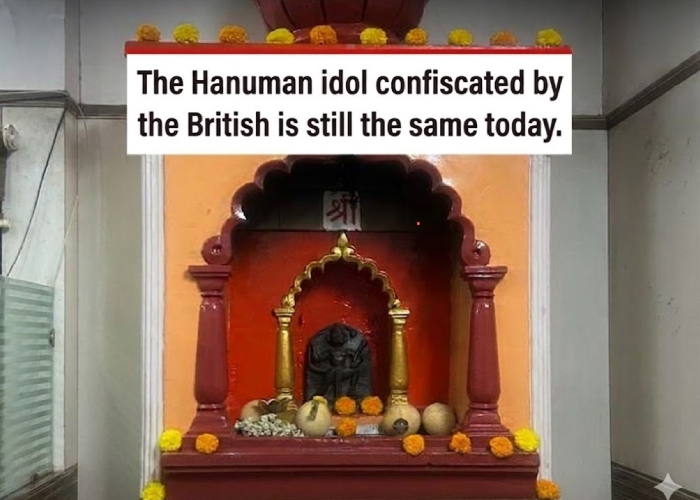
Pune: The idol of Shri Hanuman , before which the Chapekar brothers pledged themselves to the cause of India’s independence, remains at the Faraskhana Police Station as “case property.” Devout Hindus and historians have called for its installation in a temple.
When asked by a correspondent, the police replied, “the idol is officially registered as a seized object and cannot be handed over without a court order.” Among thousands of Hanuman devotees in Pune, not a single devotee came forward to demand its release. As it is kept within a police station, access for the public is limited, and only police personnel perform the puja.
Historian Pandurang Balkawade notes that during the Peshwa era, the Faraskhana functioned as a storage facility for clothing. The British later converted it into a police station. After the assassination of Walter Charles Rand, the Chapekar brothers were imprisoned there, and historical records suggest that the idol came into police custody around that time.
Even after independence, the idol remained in the police property room for years. Over time, a devout police officer began worshipping it, and a small shrine was eventually set up within the premises. After that, to this day, police personnel worship the idol every Saturday.
Historical Note
Before assassinating Walter Charles Rand, the Chapekar brothers are believed to have taken an oath before this very idol. They used to practice aiming in front of this idol. Following the assassination, enraged British authorities not only arrested them but also seized the idol as ‘evidence,’ placing it in police custody, where it remains to this day.
 Villagers march to Kagal (Kolhapur district) Police Station in the ‘Love Jihad’ case and demand that the Hindu young woman be handed over to her parents !
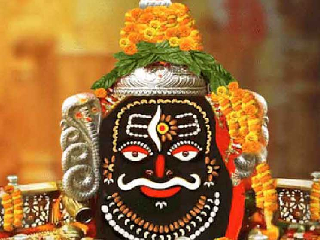 The Temple has fixed deposits worth ₹472 crore and gold and silver worth ₹300 crore !
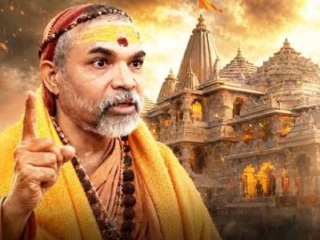 The Shri Ram Temple is an office of the BJP and the RSS; I will go for darshan when it truly becomes a Shri Ram Temple ! : Jyotish Peeth Shankaracharya Swami Avimukteshwaranand Saraswati
 Actor Aamir Khan is the ‘brand ambassador’ of ‘Love Jihad’; Boycott his films ! : Minister Nitesh Rane
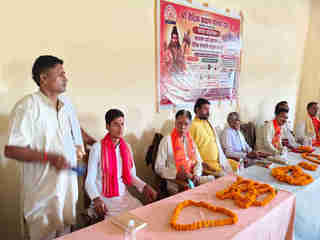 Jaunpur Hosts Seminar on Sanatan Dharma Awakening and Preservation of Vedic Culture
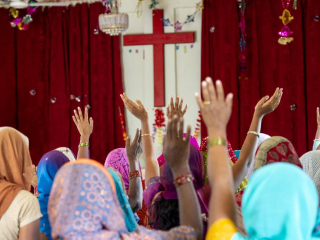 Case registered against husband and wife for propagating Christianity at Sassoon General Hospital, Pune