
A haunting tale of love, betrayal, and reincarnation, Asambhav pushes the boundaries of Marathi cinema with its bold exploration of destiny and forgiveness

Mansi (Mukta Barve), a capable project manager in Mumbai, is plagued by recurring nightmares of a mysterious haveli where she witnesses her own violent death. Her unease intensifies when she travels to Uttarakhand for a major project under industrialist Aditya Deshmukh (Sachit Patil). Though Aditya falls deeply in love with her, Mansi resists his proposal, unsettled by the uncanny overlap between her dreams and reality.

Seeking clarity, Aditya introduces her to psychologist Satyajeet (Sandeep Kulkarni). Through past life regression therapy, Mansi uncovers memories of her previous birth as Urmila, a woman betrayed and murdered by her husband Madhav (also played by Sachit Patil). The revelation that Aditya is Madhav reborn forces Mansi into a profound emotional dilemma: can love in the present overcome the trauma of betrayal in the past ?
Key Themes

– Rebirth & Karma : The film explores how unresolved actions echo across lifetimes.
– Love vs. Betrayal : Mansi’s struggle embodies the tension between present affection and past trauma.
– Forgiveness & Destiny : The narrative asks whether forgiveness can break karmic cycles or whether fate is inescapable.
Supporting Characters
– Sadhana (Priya Bapat) : The haveli’s owner, tied to Urmila’s past life.
– Vikram (Vineet Sharma) : A manipulative figure who fuels Urmila’s suspicions, adding layers to the mystery.
Cinematic Impact
Director Sachit Patil crafts Asambhav as a blend of psychological drama, romance, and supernatural suspense. The film’s atmospheric visuals of the Uttarakhand haveli, combined with intense performances, create a gripping murder mystery that transcends time.
Verdict
Spirituality teaches that haunting can occur when souls remain earthbound due to unfulfilled desires or improper last rites, often leading to paranormal disturbances.
On rebirth, it is believed that the soul is eternal and passes through multiple births until all karmic debts are resolved. Liberation (Moksha) is achieved by transcending this cycle through righteous living and spiritual practice. To address both haunting and the soul’s journey after death, spirituality recommends rituals, mantras, and leading a sattvik (pure) life.
Mr Narayan Nadkarni, Entrepreneur, Ponda, Goa.
 Porous Borders, Shadow Operatives: Unpacking the Geopolitical Rift in the US-India Intelligence Relations
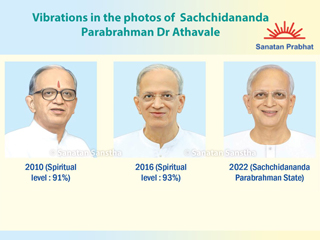 Sadguru (Dr) Mukul Gadgil’s analysis of the vibrations in the photos of Sachchidananda Parabrahman (Dr) Athavale, corresponding to His spiritual level at different times
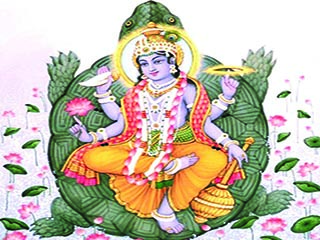 Guidelines from the Kurma Puran on the conduct of a Brahmachari (Disciple)
 O’ Devotees ! Do not dwell on memories of incidents with Saints; strive to imbibe their teachings !
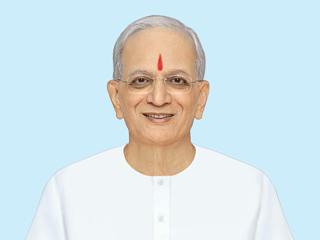 Disciple attains God
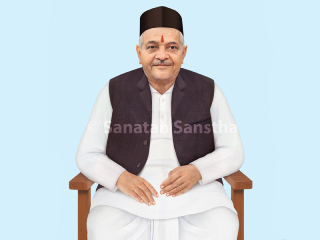 Unwavering