

New York (USA) – A research team from the world-renowned Stanford University, in collaboration with the global publisher Elsevier, has recently released a list of the world’s top scientists. According to this list, Acharya Balkrishna of Patanjali Ayurveda has been recognized among the top 2% of scientists worldwide.
Acharya Balkrishna has demonstrated that with determination and passion, anything can be achieved; beautifully blending India’s rich ancient knowledge with modern scientific methods. His work continues to inspire future researchers across the globe to explore the healing potential of natural medicinal plants.
Acharya Balkrishna’s remarkable contributions to ayurveda:
1. Research & Leadership: Acharya Balkrishna’s deep expertise and visionary leadership in Ayurvedic research have resulted in over 300 papers being presented at prestigious international conferences.
2. Development of evidence-based medicines: Under his guidance, Patanjali has developed more than 100 evidence-backed Ayurvedic medicines, offering a safe and natural alternative to conventional allopathic treatments.
3. Prolific authorship: He has authored over 120 books on Yoga and Ayurveda and contributed to the preservation of more than 25 previously unpublished ancient Ayurvedic manuscripts.
4. Herbal encyclopaedia: Through the creation of a comprehensive Herbal Encyclopaedia, Acharya Balkrishna has established an invaluable resource for future scientists studying medicinal plants.
“A tribute to the vast potential of traditional ayurvedic wisdom” – Yogrishi Ramdev Baba
Speaking on this honour, Yogrishi Ramdev Baba said: “Acharya Balkrishna has not only given Ayurveda scientific recognition but has also opened new avenues of research in natural healing for scientists worldwide. His inclusion among the world’s top scientists is a true reflection of the immense potential hidden in natural medicinal plants and India’s traditional Ayurvedic heritage.”
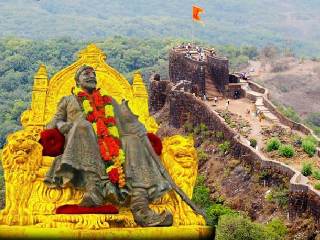 “Statues of Chhatrapati Shivaji Maharaj are being installed to target Muslims !” : France 24
 USA to seek extradition of gangster Lawrence Bishnoi imprisoned in India
 US attacks 140 Iranian military sites
 Racial discrimination against Indian truck drivers working in Australia
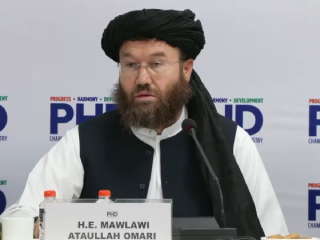 Our DNA and India’s DNA are the same !
 Every graveyard in Kashmir contains the graves of Pakistani terrorists !