
Iran forced to alter its hardline stance
(Gen-Z refers to the generation born between 1996 and 2010)
(Hijab is the garment worn by Muslim women to cover their head and neck)
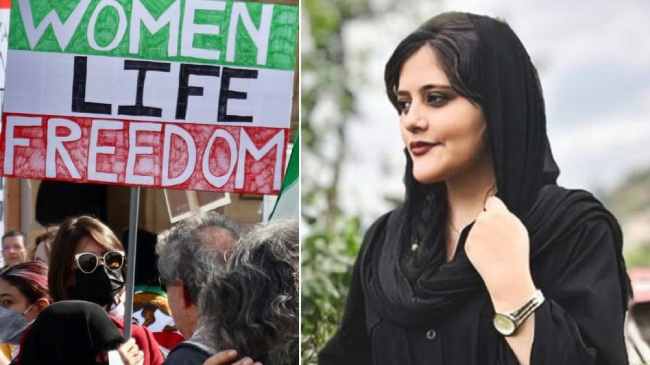
Tehran (Iran) – After the suspicious death of 22-year-old Mahsa Amini in police custody in September 2022, Iran witnessed a storm of protests. For several months, nationwide demonstrations erupted. Iran killed hundreds of citizens and arrested thousands. However, three years later, the situation now appears to have changed.
In most Iranian cities, women have stopped wearing the hijab. Today, at public places like airports, cafés, and hotels, young women can be seen moving around without a hijab. Confronted by the fearlessness of Gen-Z, along with social change and political pressure, the Iranian government has been forced to relent.
Now, it has become common for women to wear colorful clothes, leave their hair uncovered, and even ride motorbikes — things that were strictly forbidden earlier.
🇮🇷 Iran faces undeclared hijab relaxation due to Gen-Z defiance & wartime necessity.
🔻 Trigger: #MahsaAmini’s death (2022) → mass protests
🔻 Now: Women appear unveiled in cities, airports, cafés, hotels
🔻 Parliament’s harsh law (2024) blocked by Prez Pezeshkian
🔻… https://t.co/JM9Rrmgkpb pic.twitter.com/CZxZU28oIB
— Sanatan Prabhat (@SanatanPrabhat) September 18, 2025
Concessions for Women After the Israel War – A Compulsion for the Government !
In December 2024, Iran’s parliament passed a strict hijab law that prescribed severe punishments for violations. However, President Masoud Pezeshkian blocked its enforcement, citing its ambiguity. It is said that without the approval of Supreme Leader Ayatollah Ali Khamenei, this would have been impossible.
Later, in June 2025, following a 12-day war against Israel, the Iranian government was compelled to ease restrictions on women. The wartime situation also heightened the necessity of women’s participation.
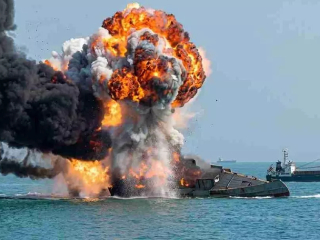 Iran attacks oil tankers in the Strait of Hormuz; Indian national killed
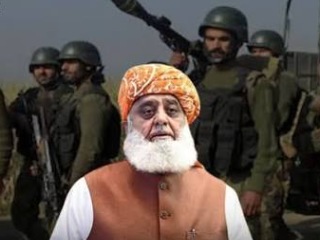 If you want to do politics, take off your uniforms and participate in the elections : Maulana Fazlur Rehman
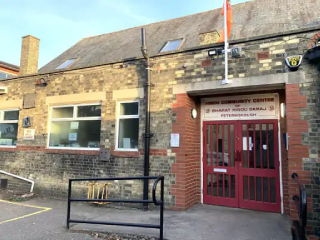 Temple premises sold to Muslims in an auction in Britain
 The Kashmir issue should be resolved in accordance with the UN resolutions !
 Nepal’s youth take to the streets again: Anger over unemployment !
 Muslims will face no threat in a Hindu Rashtra if they accept the traditions of their ancestors: Yogrishi Ramdev Baba