
Resolve taken to oppose the ‘Temple Inam Abolition Draft’
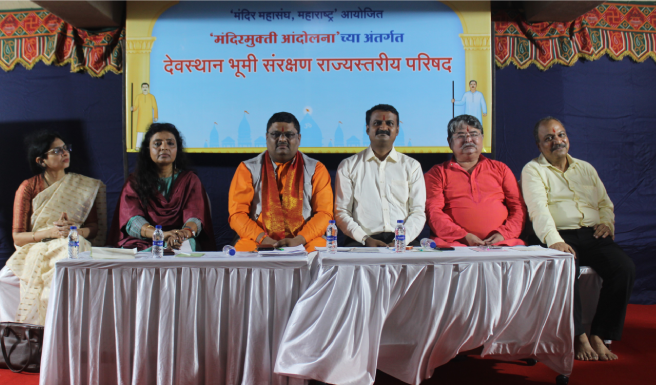
From left – Advocate (Mrs) Mohini Vaidya, Advocate Siddha Vidya, Mr Sunil Ghanwat, Advocate Virendra Ichalkaranjikar, Mr Ranjit Savarkar, and Advocate Sanjeev Punalekar.
Mumbai – The Maharashtra Government has prepared the draft of the ‘Maharashtra Temple Inam Abolition Act’ for the purpose of enabling the sale of inam lands belonging to Hindu temples. At the ‘Devasthan Bhoomi Sanrakshan Parishad’ (Temple Land Protection Conference), a strong resolve was made to oppose this proposed law, which is slated to seize lands belonging to Hindu temples. The conference, convened by the Maharashtra Mandir Mahasangh on 25 May at the Swatantryaveer Savarkar Memorial, witnessed the participation of trustees from various temples across the State, priests, and devout Hindu advocates. All trustees present unanimously resolved to strongly oppose the proposed legislation. Several important resolutions were passed during the conference.
Present on the dais were Mr Ranjit Savarkar, Executive President of the Swatantryaveer Savarkar National Memorial; Advocate Siddha Vidya; Advocate (Mrs) Mohini Vaidya, Chairperson of Shri Varadvinayak Temple at Mahad, one of the Ashtavinayak temples; Advocate Virendra Ichalkaranjikar, National President of the Hindu Vidhidnya Parishad; senior legal expert and National Secretary of the Hindu Vidhidnya Parishad Sanjeev Punalekar; and Mr Sunil Ghanwat, National Organiser of the Maharashtra Mandir Mahasangh. At the beginning of the programme, Mr Sunil Ghanwat explained the reasons for opposing the draft of the ‘Maharashtra Temple Inam Abolition Act’.
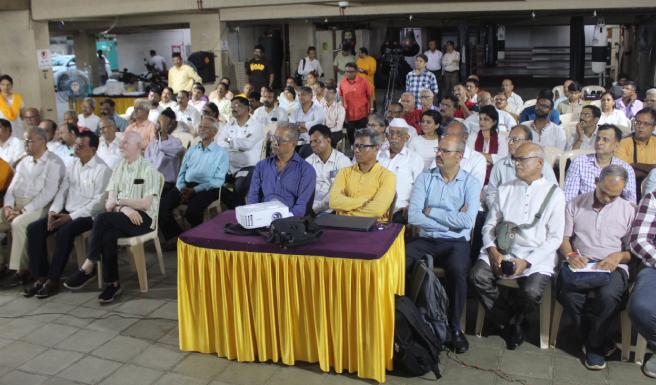
Trustees of temples, priests, and devout Hindus were present at the conference.
Participation of trustees from several temples across Maharashtra
Trustees and representatives from numerous temples attended, including Shri Varadvinayak Temple (Mahad), Shri Gramdevata Temple Trust (Nerul, Navi Mumbai), Shri Siddhi Ganesh Temple (Seawoods, Navi Mumbai), Shri Vithoba Dev Temple and Shri Dhavir Temple (Roha, Raigad), Varadvinayak Temple at Seawoods, Shri Vitthal Rukmini Temple at Karave village, Shri Jarimari Mata Temple (Badlapur, Thane), Shri Kalkaimata Pratishthan (Vasai), Shri Tuljabhavani Temple (Belapur), Swayambhu Paleshwar Mahadev Temple (Andheri, Mumbai), Shri Rameshwar Uddhar Temple (Pali), Shri Shiv Mandir Pratishthan (Turbhe), Shri Jyotirling Devasthan (Sangli), and Shri Vithoba Devasthan (Mangaon, Raigad).
Temple trustees convened in Mumbai for the ‘Devasthan Land Protection Conference’ with a firm resolve to oppose the Maharashtra ‘Devasthan Inam Abolition Bill’.
Key demands:
• Withdraw the draft bill immediately• Temple funds must serve Dharma protection & restoration
— Sanatan Prabhat (@SanatanPrabhat) May 25, 2026
For the protection of temples, devotion must rise from self-interest to Dharma: Ranjit Savarkar, Executive President, Swatantryaveer Savarkar National Memorial
“One thousand years have now passed since the destruction of the temple at Somnath. Hindus visit temples seeking fulfilment of their personal interests. Until Hindu devotion rises from self-interest to Dharma, temples cannot be protected. Hindu society and Hindu Dharma-related activities should emerge from temples. The temple system is essential for building society.”
Some important resolutions were passed at the conference
1. The proposed Maharashtra Temple Inam Abolition Act should be withdrawn immediately.
2. Offerings made at temples should be utilised solely for the promotion and protection of Hindu Dharma, temple restoration, beautification, education on Dharma, and preservation of Dharma.
3. Honorariums should be provided to the Gurav community and other temple service workers serving in small village temples.
4. Just as Waqf properties have Estate Officers, similar officers should be appointed for temple properties.
5. Only Hindu officials should be appointed as trustees in temples under Government control.
6. If any future law regarding inam lands is enacted, there should be a provision to allot equivalent land near the temple from the revenue department land.
Public representatives have betrayed Hindus: Advocate Sanjeev Punalekar

“Devotees donate money into temple donation boxes with deep faith; however, once the money enters Government-controlled temples, it becomes secular. Mosques and churches can utilise their funds for their own religions, but temple funds cannot be used for Hindu Dharma. Public representatives themselves are responsible for this. Our own representatives have betrayed Hindus. Politicians have looted temple wealth. These same politicians are now urging that temple money should be used to assist the poor. Through this law, temple lands in Konkan will be taken away from the temples. This law is nothing but a government attempt to seize temple property.”
Enact a law to remove encroachments on temple lands through government expenditure: Advocate Virendra Ichalkaranjikar, National President, Hindu Vidhidnya Parishad
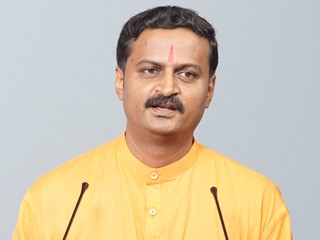
“According to 2023–24 statistics, the Waqf Board possesses more than one lakh acres of land, whereas on the other hand, a law is being framed to sell temple inam lands. We are devout Hindus and vote for a devout Hindu government; however, the government must protect the sentiments of those Hindus whose votes brought it to power. There exists a law permitting government expenditure to remove encroachments from Waqf Board land. The Waqf Board, too, comes under government authority, yet the government has no right to interfere in religious matters. Similarly, if there are encroachments on temple lands, then a law should also be enacted to remove them through government expenditure.”
If District Collectors are trustees, then they should come and work in the temples: Advocate Siddha Vidya
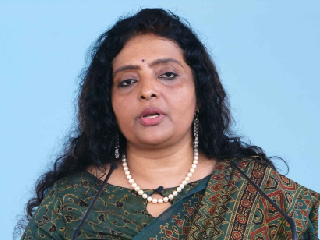
“Temple land is God’s property. The rights over it belong to the Deity. The Government should not make decisions regarding temple lands. If District Collectors are appointed as trustees of temples, then they should come to the temples and perform their duties there.”
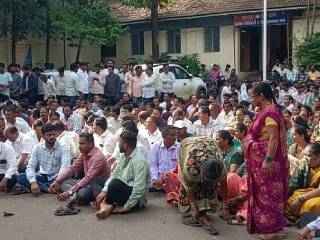 Villagers march to Kagal (Kolhapur district) Police Station in the ‘Love Jihad’ case and demand that the Hindu young woman be handed over to her parents !
 The Temple has fixed deposits worth ₹472 crore and gold and silver worth ₹300 crore !
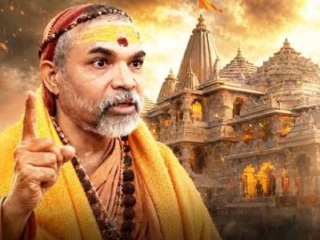 The Shri Ram Temple is an office of the BJP and the RSS; I will go for darshan when it truly becomes a Shri Ram Temple ! : Jyotish Peeth Shankaracharya Swami Avimukteshwaranand Saraswati
 Actor Aamir Khan is the ‘brand ambassador’ of ‘Love Jihad’; Boycott his films ! : Minister Nitesh Rane
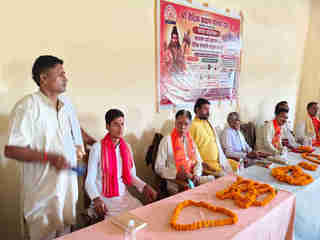 Jaunpur Hosts Seminar on Sanatan Dharma Awakening and Preservation of Vedic Culture
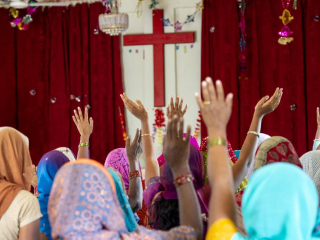 Case registered against husband and wife for propagating Christianity at Sassoon General Hospital, Pune