
Trump does not want war, while Netanyahu is preparing for an attack
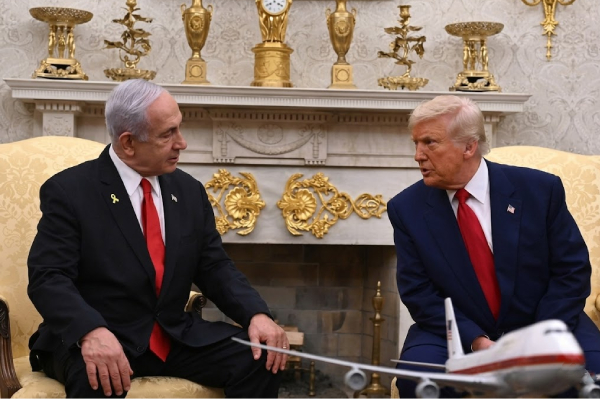
Washington DC (USA) – Differences have reportedly arisen between US President Donald Trump and Israeli Prime Minister Benjamin Netanyahu over the issue of launching another attack on Iran. Netanyahu wants to attack Iran, whereas Trump wishes to give an opportunity to talks and an agreement. The two leaders held a one-hour telephone conversation on 19 May, during which disagreements reportedly emerged between them.
Earlier, Trump had informed Netanyahu that the United States was preparing for a new targeted attack on Iran. The operation was to be named ‘Operation Sledgehammer’. However, 24 hours later, Trump announced that the planned attack had been postponed. Trump stated that this decision was taken following requests from Gulf countries such as Qatar, Saudi Arabia, and the United Arab Emirates.
US Congress passes proposal demanding halt to war against Iran
A proposal demanding an end to the war with Iran was passed in the US Congress. Four Republican lawmakers also voted against Trump. If this proposal becomes law, Trump will have to obtain Congressional approval to continue the war against Iran.
We still have many secret weapons remaining: Iran
Against the backdrop of American threats, Iran stated that it still possesses many advanced weapons that have not yet been used in the war. It warned that if another attack takes place, it will respond this time without any hesitation.
26 vessels crossed the Strait of Hormuz with Iran’s permission
The Iranian military claimed that, during the past 24 hours, 26 vessels crossed the Strait of Hormuz after obtaining Iran’s permission. These included oil tankers and commercial vessels.
The Abu Dhabi National Oil Company stated that 50% of the work on a new oil pipeline bypassing the Strait of Hormuz has been completed.
Risk of food crisis due to Hormuz closure: United Nations
The United Nations Food and Agriculture Organisation stated that if disruption in Hormuz increases, it could lead to a global food crisis and rising inflation. The organisation urged countries to prepare alternative supply routes.
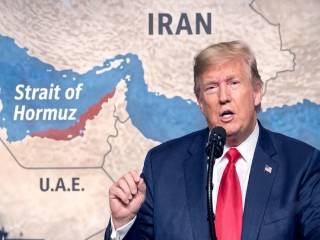 Trump withdraws 20% levy on vessels passing through the Strait of Hormuz
 Porous Borders, Shadow Operatives: Unpacking the Geopolitical Rift in the US-India Intelligence Relations
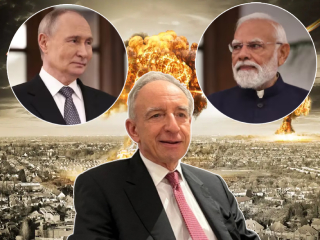 Prime Minister Modi had prevented Putin from dropping an nuclear bomb on Ukraine in 2022 !
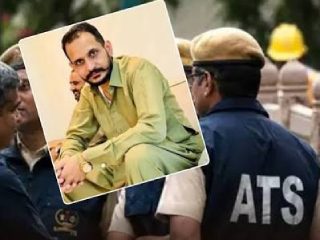 Anti-Terrorism Squad (ATS) raids more than 23 locations in Pune and Pimpri-Chinchwad
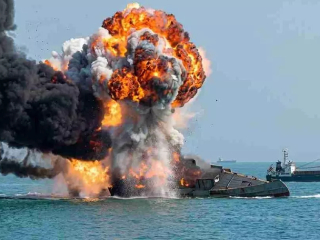 Iran attacks oil tankers in the Strait of Hormuz; Indian national killed
 If you want to do politics, take off your uniforms and participate in the elections : Maulana Fazlur Rehman