
Lieutenant General Rahul Singh discloses China’s covert involvement during ‘Operation Sindoor’
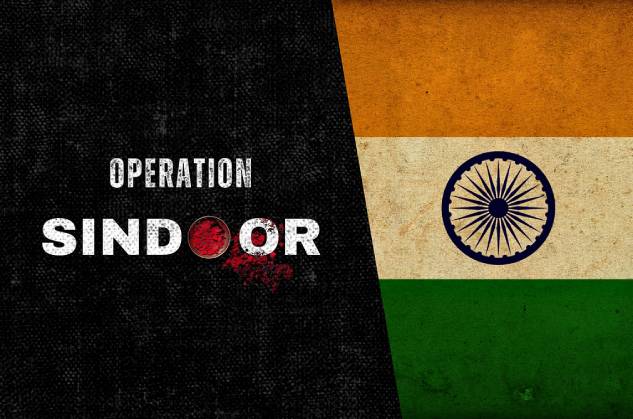
New Delhi – While speaking at the event, he detailed how Chinese intelligence support to Pakistan coincided with India–Pakistan DGMO-level discussions.
With China’s deep-rooted support for Pakistan widely known, important questions now emerge. Is India preparing to challenge China directly? Are Indian citizens doing enough to restrict Chinese goods?
“Dragon Behind the Curtain: China Aided Pakistan in Operation Sindoor!” 🐉🕵️♂️
– Lt Gen Rahul Singh’s big revelation!
🔻 China gave intel to Pakistan on India’s readiness during Operation Sindoor!
🔻 Axis of China–Turkey–Pakistan exposed!
🔻 21 Indian locations were targeted 🎯… pic.twitter.com/mGeQHzpYl4
— Sanatan Prabhat (@SanatanPrabhat) July 4, 2025
Key points from Lieutenant General Rahul Singh:
1. India must respond faster, with greater strength
At a time when India and Pakistan were engaged in high-level DGMO talks, Pakistan was receiving real-time intelligence from China on India’s military activities. This exposed a critical need for India to enhance its operational agility and strategic capacity.
2. A China–Pakistan–Turkey nexus in action
India wasn’t just confronting Pakistan. While Pakistan stood at the frontline, China provided it with full-spectrum support. Nearly 81 per cent of Pakistan’s military equipment is Chinese-made. China used this conflict to test its weapon systems through Pakistan, effectively treating the country as a live laboratory. Turkey also played a significant role by backing Pakistan during the operation.
3. Civilian zones lacked adequate air defence
Overall, air defence systems were well-managed during the operation. However, populated areas did not receive sufficient protection, highlighting the need for stronger air defence coverage in such regions in future operations.
4. From 21 targets, 9 selected for coordinated strike
A combination of technical surveillance and human intelligence was used to identify 21 high-value targets inside Pakistan. In the final phase, only 9 were selected. The Indian Army, Navy, and Air Force jointly executed the strikes, sending a clear message to the world that India stands unified and fully capable.
5. Pakistan’s ceasefire move was strategic
The ceasefire that followed was not a coincidence. It was a calculated decision. Pakistan understood that a prolonged conflict would invite a full-force Indian counteroffensive. To prevent further damage to its position, it sought a ceasefire.
6. India’s clear message on terrorism
This operation conveyed an unmistakable message to neighbouring countries and the international community: India will no longer tolerate terrorist activities of any kind. The nation’s response will be firm and uncompromising.
Editorial PerspectiveChina’s support for Pakistan is well-known. India must be ready to confront China face-to-face. This also raises questions: Is India working to corner China? And are citizens pushing for a ban on Chinese goods? |
 “Statues of Chhatrapati Shivaji Maharaj are being installed to target Muslims !” : France 24
 USA to seek extradition of gangster Lawrence Bishnoi imprisoned in India
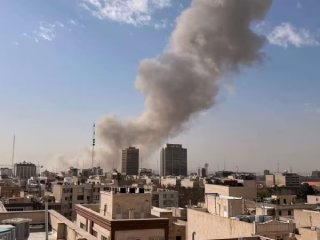 US attacks 140 Iranian military sites
 Racial discrimination against Indian truck drivers working in Australia
 Our DNA and India’s DNA are the same !
 Every graveyard in Kashmir contains the graves of Pakistani terrorists !