
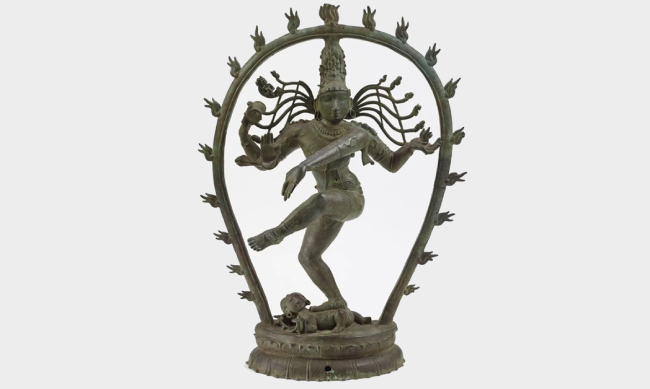
Washington, D.C. (USA) – The Smithsonian’s National Museum of Asian Art has formally announced plans to return three ancient South Indian bronze sculptures to the Government of India. The decision follows an extensive provenance investigation that confirmed the artefacts had been illegally removed from temple settings in Tamil Nadu. The move marks another significant step in the global push to restore looted cultural heritage to its countries of origin.
The three sculptures identified for repatriation are “Shiva Nataraj” from the Chola period dating to around 990 CE, “Somaskanda” from the 12th century, and “Saint Sundarar with Paravai” from the Vijayanagar period of the 16th century. All three are regarded as sacred bronzes, traditionally carried in temple processions rather than created as standalone art objects. Museum officials said their removal violated Indian antiquities laws in force at the time.
The Government of India has agreed to place one of the sculptures, the Shiva Nataraj, on a long-term loan back to the museum.
Shiva Nataraj Idol to Remain in the U.S. on Long-Term Loan
The museum has clarified that, as per an agreement with the Government of India, the Shiva Nataraj idol will remain in the United States on a long-term loan. This means that ownership of the idol will remain with India, while it will continue to be displayed at the museum.
Additionally, the museum will present the complete history of the idol—from its removal from the temple to its return to India—so that the public can better understand its journey.
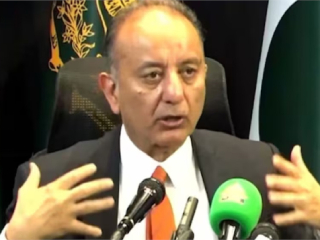 ‘We will cut off the hands of those who stop our water !’ : Pakistani Minister Musadik Malik
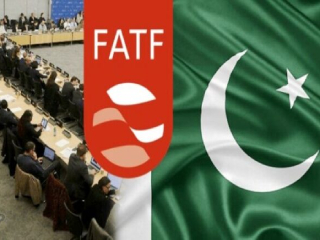 India prepares to seek Pakistan’s reinstatement to the FATF grey list
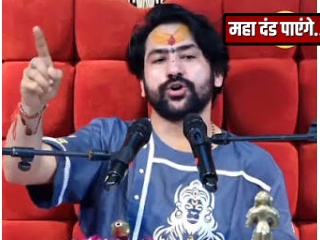 “If I reveal the names of the powerful people involved in the Shri Ram Temple donation theft, they will kill me” : Bageshwar Dham chief Pandit Dhirendra Krishna Shastri
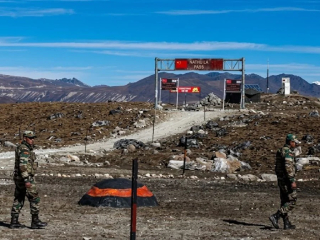 No Chinese military incursion into Arunachal Pradesh : Indian Army clarifies
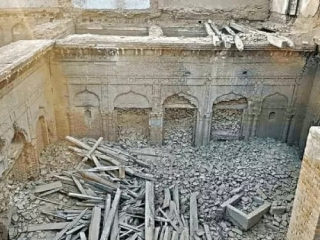 Attempt to demolish 125-year-old Gurdwara in Pakistan !
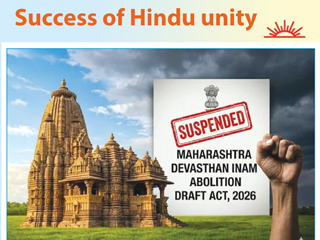 Major win for Hindu unity : Maharashtra Government suspends the controversial ‘Devasthan Inam Abolition Draft Act’