
Thousands of Indians to benefit
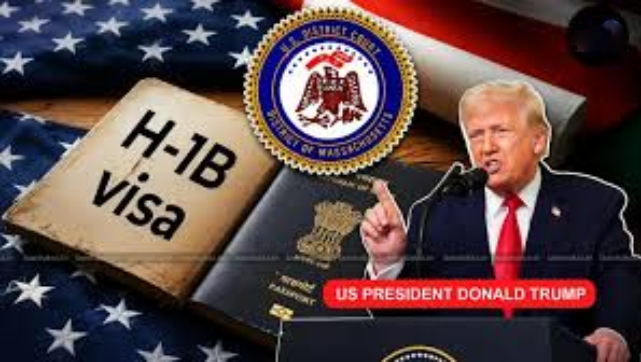
Washington DC (USA) – A federal court in the United States has recently struck down US President Donald Trump’s controversial fee of $1,00,000 (approximately ₹95 lakh) on new H-1B visas for highly skilled foreign workers. The court ruled that it constituted an unlawful tax and had never been authorised by the US Congress.
1. In September 2025, the Attorneys General of 20 states had challenged Trump’s decision. US District Judge Leo Sorokin of Boston upheld their position in his ruling.
2. Under Trump’s policy, the cost of hiring highly skilled workers from abroad had increased substantially beyond the standard fee of 8,000 dollars (approximately ₹7.6 lakh).
3. This ruling concerning the H-1B programme has provided significant relief to the technology, healthcare and other sectors in the United States, as these industries depend on highly skilled employees coming from abroad to work in America. The H-1B programme has an annual cap of 85,000 visas.
4. The decision is expected to provide considerable benefit to Indians, as they account for approximately 60 to 70 per cent of H-1B visa holders. The fee could have created obstacles to opportunities for thousands of Indian engineers, particularly information technology (IT) professionals.
5. Indian companies such as TCS, Infosys, Wipro and HCL Technologies, which sponsor a large share of these visas, would have been required to bear billions of dollars in additional costs.
6. Similarly, major American technology companies such as Google, Amazon, Meta, IBM, Microsoft and Apple would also have been significantly affected, as these companies rely on this visa programme to recruit skilled employees from India and other countries.
 ‘We will cut off the hands of those who stop our water !’ : Pakistani Minister Musadik Malik
 India prepares to seek Pakistan’s reinstatement to the FATF grey list
 “If I reveal the names of the powerful people involved in the Shri Ram Temple donation theft, they will kill me” : Bageshwar Dham chief Pandit Dhirendra Krishna Shastri
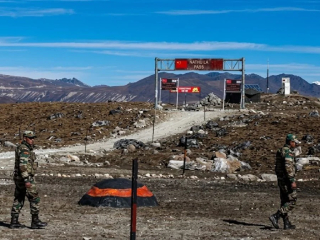 No Chinese military incursion into Arunachal Pradesh : Indian Army clarifies
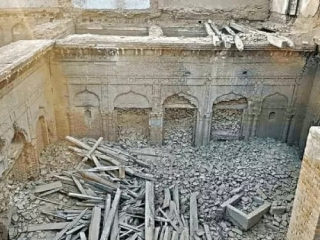 Attempt to demolish 125-year-old Gurdwara in Pakistan !
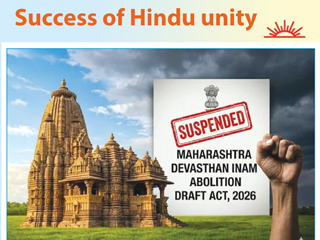 Major win for Hindu unity : Maharashtra Government suspends the controversial ‘Devasthan Inam Abolition Draft Act’