
Vice-Chancellor’s remark triggers backlash at Tamil Nadu Law University
Students protest, demand apology
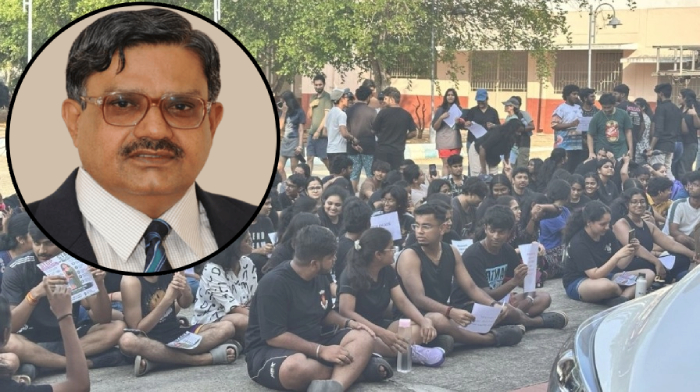
Trichy (Tamil Nadu) – A major controversy has erupted after Vice-Chancellor V. Nagaraj of Tamil Nadu National Law University allegedly stated that female students who wear shorts (half-pants) invite sexual harassment and distract both students and faculty.
The remark triggered strong backlash across the campus. On 16 April, students staged a protest, many wearing shorts and black clothing, demanding an unconditional apology from the Vice-Chancellor. Placards carried messages such as ‘Blame the mindset, not the clothes.’
🚨 Controversy at Tamil Nadu National Law University, Trichy
A reported remark by the Vice Chancellor on female students’ clothing has triggered strong student protests demanding an apology.
It is necessary to implement strict nationwide rules ensuring that students wear… pic.twitter.com/egrs2ieTXq
— Sanatan Prabhat (@SanatanPrabhat) April 18, 2026
The statement was reportedly made during a meeting with class representatives on 15 April. By the next morning, outraged students had put up notices across campus condemning the comments, which they described as insensitive and regressive. The protests intensified later in the day, with students seeking a direct dialogue with the Vice-Chancellor.
Notably, this is not the first time Nagaraj has faced criticism for such remarks. In 2016, while serving at the National Law School of India University, Bengaluru, he had made a similar statement that drew backlash. The controversy has spread beyond the campus, with students from a law university in Jodhpur also issuing a statement condemning the remarks.
Meanwhile, a senior professor came out in defence of the Vice-Chancellor, claiming his comments were made in a ‘father-like concern’ and have been taken out of context and exaggerated.
“My remarks were misunderstood” – Vice-Chancellor responds
Responding to the protests, Vice-Chancellor Nagaraj addressed students on the evening of 16 April, stating that his comments were misinterpreted. He clarified that his remarks were made in the context of admissions and the university’s reputation. According to him, he was encouraging students to enhance the institution’s image and mentioned appropriate attire as one of several contributing factors.
 Terrorist arrested in Jammu and Kashmir ahead of the Amarnath Yatra
 More than 13,000 illegal Bangladeshi infiltrators in Karnataka !
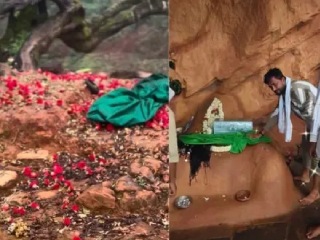 Claim of a conspiracy to Islamise the Dattapeetha premises at Chikkamagaluru (Karnataka) !
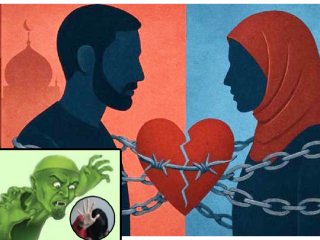 9 incidents of love jihad exposed in various states in the last 24 hours
 Licences of 6 hotels, bakeries and clubs suspended in Mumbai; 19 people arrested
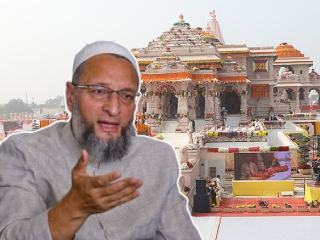 “If there had been a Muslim in the Shri Ram Janmabhoomi Teerth Kshetra Trust, he would have been ‘encountered’ over the theft” : Asaduddin Owaisi