
Demand to include Pasmanda Muslims in OBC category
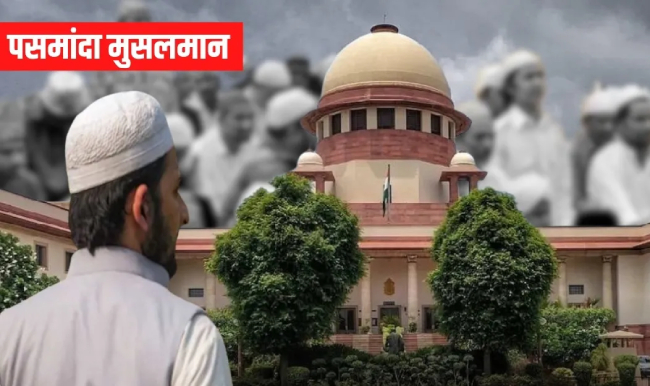
New Delhi – The Supreme Court of India has agreed to examine a petition seeking inclusion of ‘Pasmanda’ Muslims in the Other Backward Classes (OBC) category. The petition seeks 10 per cent reservation for Pasmanda Muslims in education and government employment. During the hearing, the Court questioned the petitioners as to why a similar demand had not been raised for other economically poor Muslims.
“Why hasn’t such a demand been raised for other poor Muslims?” – Supreme Court questions petitioners.
The hearing on including ‘Pasmanda’ Muslims in the OBC category raises a crucial debate.
If caste is doctrinally rooted in Hindu society, on what basis is caste identity being… pic.twitter.com/rfgOMTfIQo
— Sanatan Prabhat (@SanatanPrabhat) February 24, 2026
1. While hearing the plea filed by Mohammad Wasim Saifi, a Bench led by Justice Surya Kant posed pointed queries. The Court orally observed in substance whether the petitioners were attempting to project only the Pasmanda group forward at the cost of other poor Muslims and asked, “Do you have any data to show how many Muslims actually fall within the backward classes?” The Bench sought clarity on the empirical basis of the claim.
2. Counsel for the petitioners submitted that the Pasmanda Muslim community is among the most socially and economically backward sections. Justice Surya Kant observed that inclusion in the OBC category is not determined solely by social status, but that economic factors are also relevant considerations.
3. The Court directed the petitioners to place adequate statistical material on record to substantiate their claim that Pasmanda Muslims are entitled to reservation under the OBC category. The matter has been posted for further hearing after four weeks.
Who are Pasmanda Muslims ?
‘Pasmanda’ is a Persian term meaning ‘those left behind’ and is generally used to describe marginalised sections within the Muslim community. The term is often associated with socially and economically disadvantaged groups. Not all Pasmandas fall within a single constitutional category; depending on circumstances, they may be classified among OBCs or other recognised backward categories.
The Sachar Committee Report (2004–05) had noted that approximately 40 per cent of Muslims were included within OBC, Scheduled Caste or Scheduled Tribe categories. Pasmanda groups, however, claim that 80 to 85 per cent of India’s Muslim population belongs to the Pasmanda segment, though these figures are considered dated.
Editorial PerspectiveEven though it is asserted that caste divisions are peculiar to Hindu society and not doctrinally recognised in other religions, attempts are being made to project caste-based distinctions among Muslims to seek reservation benefits. This aspect merits serious consideration. |
 Terrorist arrested in Jammu and Kashmir ahead of the Amarnath Yatra
 More than 13,000 illegal Bangladeshi infiltrators in Karnataka !
 Claim of a conspiracy to Islamise the Dattapeetha premises at Chikkamagaluru (Karnataka) !
 9 incidents of love jihad exposed in various states in the last 24 hours
 Licences of 6 hotels, bakeries and clubs suspended in Mumbai; 19 people arrested
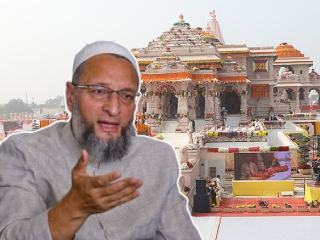 “If there had been a Muslim in the Shri Ram Janmabhoomi Teerth Kshetra Trust, he would have been ‘encountered’ over the theft” : Asaduddin Owaisi