
A major spiritual development unfolded in Kerala as, for the first time, the State hosted its own Kumbha Mela on the banks of the Bharathappuzha at Thirunavaya.
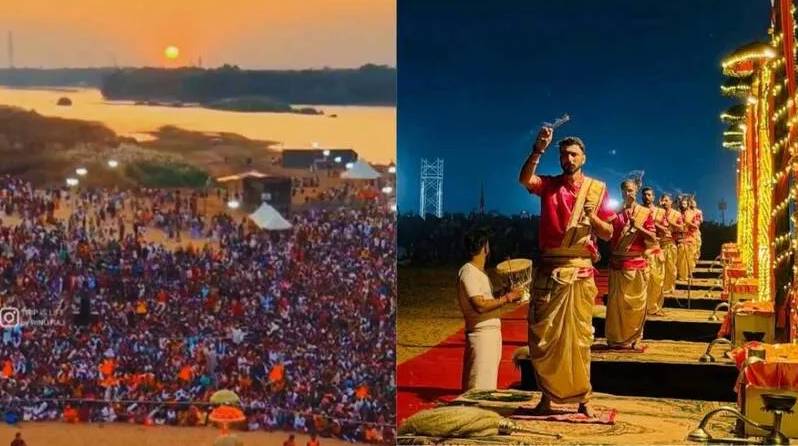
Officially called the Mahamagha Maholsavaam, the event aimed to bring together lakhs of devotees for ritual bathing, satsangs, and spiritual renewal, echoing the Kumbha traditions of North India. The spiritual gathering commenced on January 18, 2026, and will continue till February 3, 2026.
The festival also marked the symbolic revival of Mamangam, Kerala’s ancient river-based gathering that had once played a key role in shaping the region’s cultural identity. Mamangam had been held every twelve years at Thirunavaya, on the banks of the Bharathappuzha. Among medieval Kerala’s most significant events, Mamangam had represented a unique blend of Spirituality, martial valour, political ritual, and cultural expression. The Zamorin, the Valluvanad chieftains, and the legendary Chaver warriors had all played central roles in the tradition. For centuries, Mamangam had stood as a symbol of Kerala’s civilisational memory.
However, nearly 270 years earlier, the tradition had come to halt. Historical records pointed to the Mysorean invasions under Hyder Ali and Tipu Sultan as the primary disruption. As temple institutions weakened and local power structures collapsed, the festival could no longer continue. The British rule that followed did not revive the tradition, and Mamangam gradually faded into history.
Kerala later witnessed a contemporary revival of Mamangam led by the Juna Akhara, the largest and most influential Akhara of Naga Sadhus in India. The initiative was spearheaded by
Mahamandaleshwar Swami Anandavanam Bharathi. The event, however, was not without controversy. Days before preparations were to begin, the Kerala Government issued a stop memo halting the construction of a temporary bridge across the river. Organisers and opposition groups
alleged that the move was intended to disrupt the festival.
Following protests and consultations, the District administration later granted clearance, allowing the event to proceed. Despite these hurdles, the gathering drew significant attention. For many devotees, the event represented more than a festival, as it offered an opportunity to reconnect with Kerala’s ancient heritage and revive traditions interrupted centuries earlier. It indeed marked a powerful moment of spiritual renewal for the Hindu society in Kerala.
(Courtesy : Article by Anand Adiyodi posted on hindupost.in; 20.1.2026)
(Anand Adiyodi is a versatile singer, Kriya Yoga practitioner, and political analyst with a deep passion for spiritual exploration and Sanatana Dharma. As a committed spiritual seeker, he critiques contemporary political and social issues through a Southern Indian lens, blending traditional wisdom with modern perspectives.)
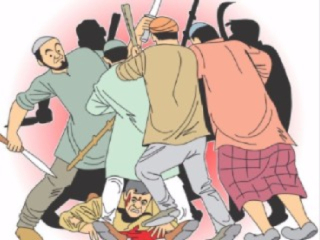 Teacher conducting SIR process assaulted by three religious fanatics !
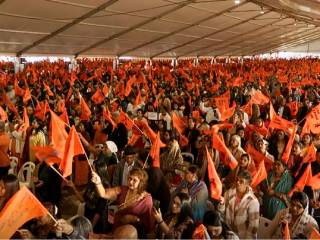 17,000 Hindus in South Africa gather to recite the Hanuman Chalisa !
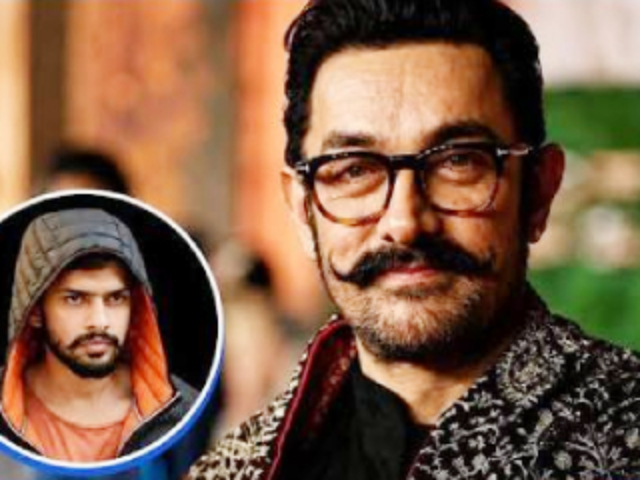 Actor Aamir Khan receives death threat from Lawrence Bishnoi gang over ‘Love Jihad’
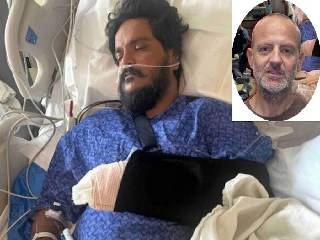 Christian stabs Indian-origin Muslim over his religion in the US
 We pay our obeisance a million times on the Birthdays (as per Tithi) of
 Offering gratitude unto the Holy feet of the Guru is true Gurudakshina !