
External Affairs Minister Jaishankar criticises United Nations
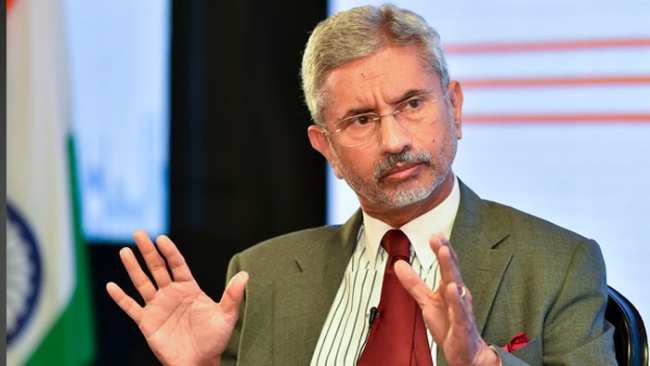
New Delhi – India’s External Affairs Minister Dr S. Jaishankar has criticised the United Nations, saying it still reflects the framework of 1945. He emphasised that amplifying the voice of developing nations is the true measure of the UN’s credibility. Speaking at a recently held UN conference in Delhi on troop-contributing countries for peacekeeping missions, Dr Jaishankar once again called for essential reforms within the UN.
🌍 “UN Needs an Update, Not a Tribute to 1945” – S. Jaishankar 🇮🇳
At the UN Peacekeeping Conference in Delhi, EAM @DrSJaishankar said:
🗣️ The UN is still stuck in 1945; it must evolve to reflect today’s world.
🌏 Its credibility depends on amplifying voices of developing… pic.twitter.com/1udYUbBFqP
— Sanatan Prabhat (@SanatanPrabhat) October 16, 2025
Dr Jaishankar further stated:
1. Institutions that fail to evolve with time risk becoming outdated. To make the UN more effective, it must be reformed. It needs to become more inclusive, democratic, and representative of today’s world.
2. Member nations themselves are expecting such reforms. Expansion of the Security Council is also necessary.
3. India’s peacekeeping forces are strong and committed. Brave sons and daughters put their lives at risk to deliver humanitarian aid. Today, I remember the more than 4,000 peacekeepers who made the ultimate sacrifice.
Editorial PerspectiveThe UN’s inability to adapt to contemporary global realities undermines its effectiveness. True credibility comes from empowering developing nations and making the organisation representative of today’s world, rather than clinging to outdated structures. |
 ‘We will cut off the hands of those who stop our water !’ : Pakistani Minister Musadik Malik
 India prepares to seek Pakistan’s reinstatement to the FATF grey list
 “If I reveal the names of the powerful people involved in the Shri Ram Temple donation theft, they will kill me” : Bageshwar Dham chief Pandit Dhirendra Krishna Shastri
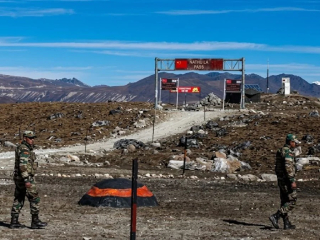 No Chinese military incursion into Arunachal Pradesh : Indian Army clarifies
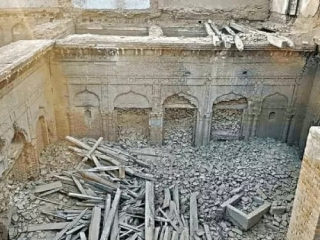 Attempt to demolish 125-year-old Gurdwara in Pakistan !
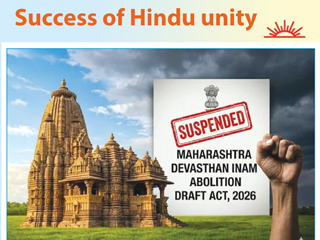 Major win for Hindu unity : Maharashtra Government suspends the controversial ‘Devasthan Inam Abolition Draft Act’