
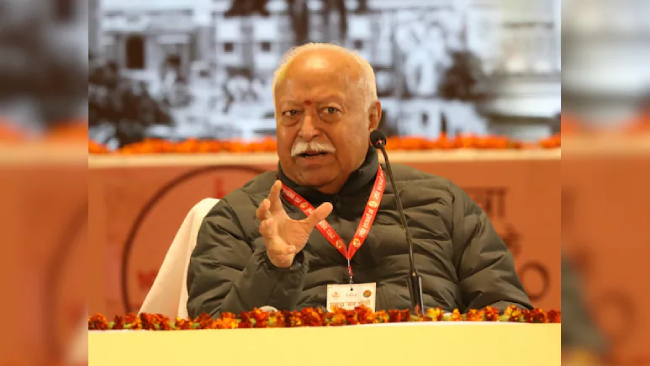
Lucknow (Uttar Pradesh) – Income generated by temples should be utilised for public welfare, and their administration should remain in the hands of devotees rather than government authorities. There must be transparency in the functioning of major temples currently managed by state governments, as well as in the utilisation of their funds for the benefit of society. The administration should be entrusted to an impartial and honest institution.
The key questions are: Who will oversee the administration, and who will ensure the proper conduct of daily rituals? All gurdwaras are efficiently managed by the Sikh community. Dharmacharyas across the country should reflect upon this issue, and society must assume responsibility. RSS has been working in this direction, and positive results will soon be visible,” said Sarsanghchalak Param Pujya Dr Mohanji Bhagwat during a programme marking the completion of 100 years of RSS.
Key observations by Sarsanghchalak Param Pujya Dr Mohanji Bhagwat
1. The belief that RSS is running the Government is a misconception
There is a widespread misconception that RSS controls the Government. We have no such remote control. Governing a nation is an extremely complex responsibility; we focus on our own work, though we may offer guidance when required. Those who oppose the Government often criticise us as well. Many individuals in positions of authority are performing commendable work.
2. The greatest challenge before RSS is uniting Hindus
The greatest challenge for RSS lies within Hindu society itself, as creating awareness is a demanding task. The Hindu community possesses immense strength, but it remains divided and constrained by narrow self-interests. The nation can progress only when Hindus unite.
3. There are no personal gains in RSS
The organisational structure of RSS is robust. It expects complete dedication from its members for national progress and offers no personal rewards in return. Opportunists who join the organisation soon withdraw upon realising that there are no personal benefits to be gained.
4. Modernisation should not mean blind imitation
We are not opposed to modern ideas; however, modernisation should not amount to blind imitation of the West. One may embrace modernity, but one must not forget one’s cultural roots and heritage.
5. The decline of joint families
The number of joint families is decreasing. However, relationships must remain enduring. Families should spend time together at least once a week. Children acquire sanskars both at home and in school.
6. Responsible use of social media
Social media is merely a technological tool. One must be its master, not its slave. Screen time should be regulated, and children must be guided responsibly.
7. Society shapes politics
Politics is shaped by society. If citizens are responsible, aware and harmonious, their leaders will reflect those qualities. Improvement will come when society remains vigilant.
US tariffs will have no impact on India
This is an old tactic of the United States. It seeks to pressure India through economic and strategic leverage. However, India is strong and has not bowed to such pressure. Our people are prepared; therefore, US tariffs will have no significant impact on the country.
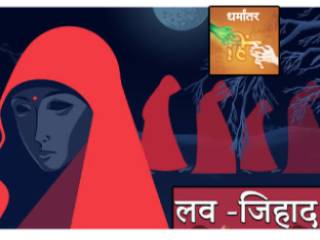 Three cases of Love Jihad and one case of conversion exposed in the last 24 hours
 Chargesheet filed against 14 people in the case of international conspiracy of ‘Love Jihad’
 Doctor Nadeem cut the wrong internal structure during a patient’s surgery in Ghaziabad (Uttar Pradesh) !
 Information on the 1975–77 Emergency included in NCERT’s Class 9 textbook
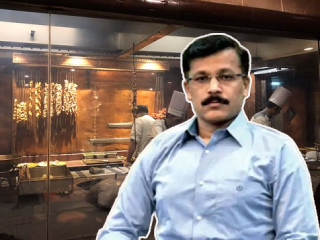 Owners of hotels, restaurants and dhabas violating regulations will not be spared : Commissioner Tukaram Mundhe
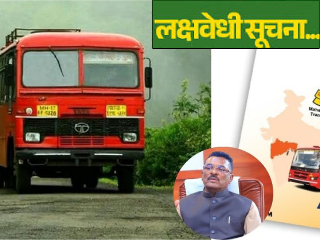 Permits of goods vehicles used for illegal passenger transport to be permanently cancelled : Transport Minister Pratap Sarnaik