
|
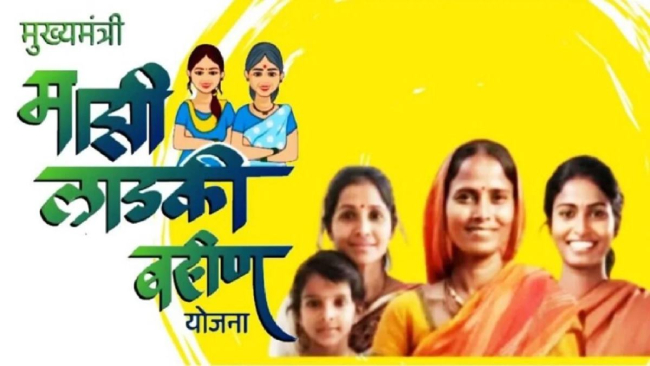
New Delhi – In recent years, the country has witnessed a significant increase in welfare schemes providing benefits in the form of cash transfers by state governments. The 16th Finance Commission has highlighted this issue, clearly indicating that such schemes put a burden on the government treasury, and if they continue for a long period, the economies of the states could become unstable. The commission specifically mentioned Maharashtra, Odisha, and Jharkhand, noting that these states have seen the highest increase in expenditure on such schemes in the last two years. Currently, these schemes are operational in as many as 21 states across the country.
The commission headed by economist Arvind Panagariya recently submitted its report for the period 2026-31 to the Parliament. The report states that such schemes have brought about a significant change in the pattern of states’ expenditure on subsidies.
Due to the ‘Ladli Behna Yojana’, this proportion, which was 0.6 percent of Maharashtra’s total revenue expenditure in the financial year 2023-24, increased to a staggering 6.2 percent in 2025-26. In Jharkhand, this expenditure increased from 0.8 percent to 13 percent during the same period, while in Odisha, it rose from zero to 5.1 percent.
The largest schemes are being implemented in these states !1. Maharashtra: ‘Mazi Ladki Bahin’ (My Beloved Sister) scheme – ₹1,500 per month for eligible women 2. Karnataka: ‘Gruha Lakshmi’ scheme – ₹2,000 per month for women who are the heads of their families 3. West Bengal: ‘Lakshmi Bhandar’ scheme (₹1,200 per month for Scheduled Caste/Scheduled Tribe women, and ₹1,000 per month for women from the general category) |
What is the Finance Commission ?
The Finance Commission is a constitutional body. It was established under Article 280 of the Constitution. The main function of the Finance Commission is to understand the financial situation of the central and state governments in detail, recommend the distribution of taxes between them, and determine the framework for the distribution of taxes among the states.
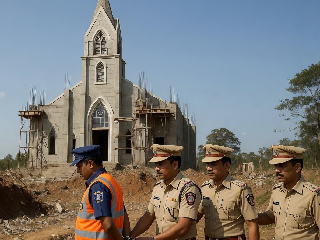 Illegal church in Solapur and misconduct by a municipal employee to be investigated
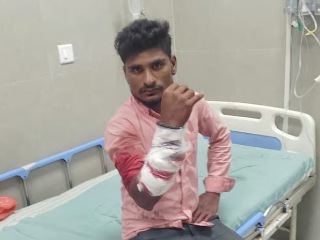 Karnataka: Religious fanatics breaks farmer’s hand over bursting firecrackers in front of a mosque !
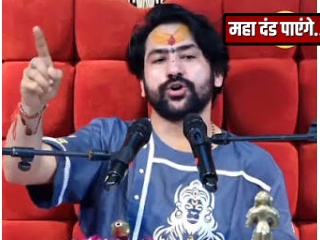 “If I reveal the names of the powerful people involved in the Shri Ram Temple donation theft, they will kill me” : Bageshwar Dham chief Pandit Dhirendra Krishna Shastri
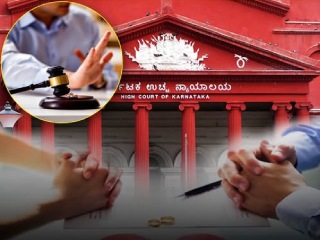 Wife earning more than her husband is not entitled to maintenance : Karnataka High Court
 Gold jewellery seized by the police stolen from a police station in Kerala !
 A four-wheeler suspended by a crane and deliberately blown up in Badnagar (Madhya Pradesh) !