

Dhaka (Bangladesh) – Advocate Govind Chandra Pramanik, General Secretary of the Bangladesh Jatiya Hindu Mahajot, has been barred from contesting the elections. He had filed his nomination from the Gopalganj-3 constituency; however, election officials rejected his application. Elections in Bangladesh are scheduled to be held on 12 February. Former Prime Minister Sheikh Hasina was an MP from Gopalganj-3. More than 50 percent of the voters in this constituency are Hindus. Govind Pramanik intended to contest the election as an independent candidate. The ‘Mahajot’ is an alliance of 23 organisations of devout Hindus. The organisation is associated with the Rashtriya Swayamsevak Sangh.
Serious allegations against Khaleda Zia’s party
Govind Pramanik stated that Bangladesh has a provision under which an independent candidate must submit signatures of 1 percent of the voters from the concerned constituency. In compliance with this rule, he had collected signatures from 1 percent of the voters. However, those voters later approached the election officials and claimed that their signatures had not been taken at all. Workers of Khaleda Zia’s Bangladesh Nationalist Party pressured the voters to make such statements. Following this, the election officer declared all the signatures invalid and rejected the nomination. Pramanik said that he would lodge a complaint with the Election Commission, and if justice is not delivered, he would also approach the court.
Bangladesh Jatiya Hindu Mahajot runs over 350 Vedic schools
The Bangladesh Jatiya Hindu Mahajot propagates Hindu ideology across Bangladesh. The organisation runs more than 350 Vedic schools in different parts of the country, where children are taught the Bhagwadgeeta along with several other Hindu scriptures.
Nomination of another Hindu candidate rejected
The nomination of Dulal Biswas was also rejected. Dulal had been nominated by the registered political party ‘Gono Forum’, and therefore the rule of submitting signatures of 1 percent of voters did not apply to him. However, his nomination was rejected citing deficiencies in documentation. He is now set to resubmit the required documents.
Editorial PerspectiveIn Bangladesh, such incidents are to be expected. If these did not occur, that would be surprising. |
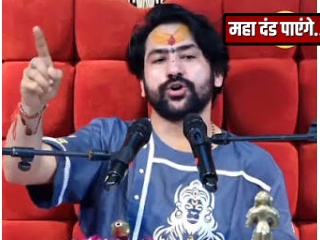 “If I reveal the names of the powerful people involved in the Shri Ram Temple donation theft, they will kill me” : Bageshwar Dham chief Pandit Dhirendra Krishna Shastri
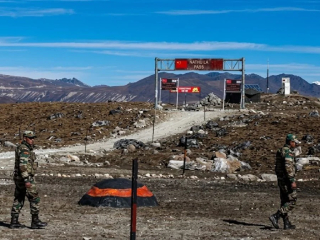 No Chinese military incursion into Arunachal Pradesh : Indian Army clarifies
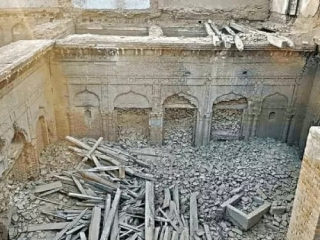 Attempt to demolish 125-year-old Gurdwara in Pakistan !
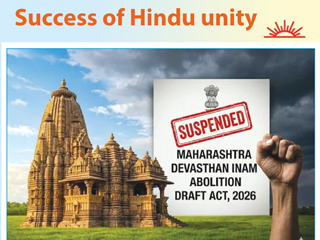 Major win for Hindu unity : Maharashtra Government suspends the controversial ‘Devasthan Inam Abolition Draft Act’
 Construction of Sanatan Dharma Complex halted due to threats in Bangladesh
 Cuba 2026 : Why Havana Suddenly Matters Again