
|

Kathmandu – After the resignation of KP Sharma Oli, high-level meetings were being held in Nepal for the past two days to decide on a new interim Prime Minister. On the morning of 12th September, former Chief Justice of Nepal Sushila Karki was finally chosen as the country’s Prime Minister. Her name had been in the lead throughout these discussions, and her appointment was considered almost certain. Along with Karki, Balen Shah, Kulman Ghising and Harka Sampang were also in contention for the post.
During these deliberations, Karki had argued that under Nepal’s Constitution, a non-parliamentarian cannot be appointed Prime Minister while Parliament is still in existence, and therefore, Parliament must first be dissolved. On the other hand, President Paudel strongly opposed the dissolution of Parliament, which created a deadlock. After consulting constitutional experts, a way out of the impasse was found.
🇳🇵 Big shift in Nepal!
Former Chief Justice Sushila Karki to be sworn in as interim Prime Minister after KP Oli quit amid anti-corruption protests.
👉Decision came after talks between Prez Paudel, Army & Gen-Z protest leaders#Kathmandu pic.twitter.com/v2uOd8LPnP
— Sanatan Prabhat (@SanatanPrabhat) September 12, 2025
According to an official present in the meeting, President Paudel was exploring the possibility of “appointing Sushila Karki as Prime Minister without dissolving Parliament”. Discussions continued late into the night on 11th September, but no concrete solution was reached. Finally, on 12th September, Karki’s name was formally approved.
Karki also shares an old connection with India, having pursued her education in Varanasi.
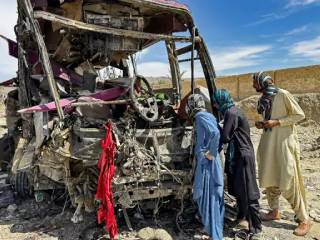 Baloch Liberation Army claims to have killed more than 45 Pakistani soldiers in attack on military convoy
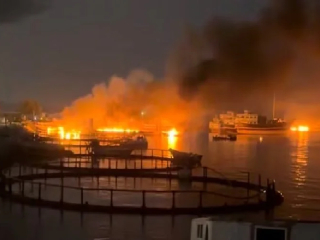 Major US attack on the Indian-developed Chabahar Port in Iran
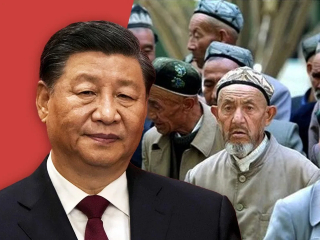 Uyghur Muslims oppose China’s ethnic unity law
 Bangladesh awards ₹90 billion Teesta River Project to China instead of India !
 The conduct of the Indian counterpart caused the delays
 Ukraine launches drone attacks on 20 Russian vessels !